
Pericome
Pericome
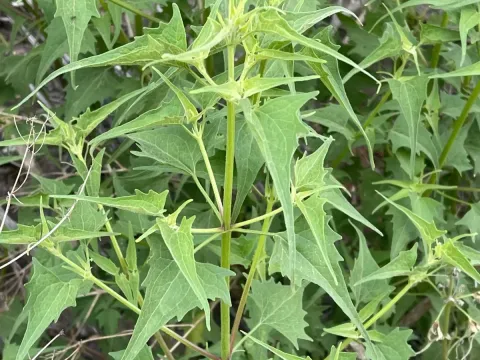
Pericome (Pericome caudata) is a perennial herbaceous plant belonging to the Asteraceae family. It is recognized for its architectural form and ability to thrive in demanding environmental conditions.
What the section contains

Pericome
Native to the southwestern United States and northern Mexico, this plant is naturally adapted to canyon environments and rocky slopes, which explains its inherent drought tolerance.
For successful cultivation, Pericome requires well-draining soil with a light texture. It is essential to avoid heavy, water-logged soils, as moisture retention around the root zone is detrimental to the plant's health.
The plant thrives in full sun exposure. While it can handle partial shade, adequate light is necessary to maintain the plant's vigor and encourage the development of its distinctive flowering heads.
In terms of climate, Pericome is well-suited to regions with hot, dry summers. Its biological structure allows it to effectively manage water resources, making it a sustainable choice for xeriscaping.
Root rot is the most common threat to Pericome, typically triggered by improper irrigation practices or poor soil drainage that leads to water accumulation.
Aphids may infest the plant during the growing season, particularly if the plant is stressed by environmental factors or lack of nutrients.
Powdery mildew can affect the foliage during periods of high humidity and poor air circulation, often occurring if plants are crowded too closely together.
Spider mites can be an issue in hot, arid conditions, causing damage to the leaves and reducing the overall aesthetic quality of the perennial.
Maintaining proper spacing and ensuring excellent soil drainage are the primary defense strategies against these common threats to Pericome.