
Pentzia pilulifera
Pentzia pilulifera
Description
Growing requirements
Pentzia pilulifera is a hardy perennial subshrub belonging to the Asteraceae family, native to the arid regions of Southern Africa where it thrives in extreme environmental conditions.
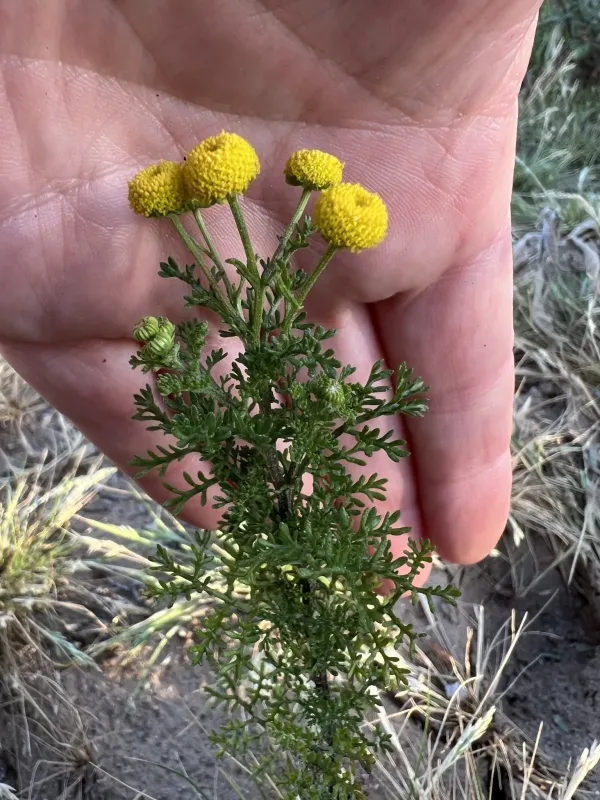
Botanically, the plant is characterized by its compact, woody base and dense clusters of small leaves covered with fine hairs, an adaptation that significantly reduces water loss through transpiration.
The species requires well-drained, sandy soils to prevent root rot, as the plant is highly sensitive to moisture saturation and requires an aerated soil profile to maintain healthy growth.
In terms of climatic requirements, Pentzia pilulifera is exceptionally drought-tolerant and is adapted to regions with high heat and sporadic, low-volume annual rainfall patterns.
Agricultural management of this crop involves maintaining appropriate planting distances to ensure that individual plants do not compete excessively for the limited moisture available in the soil.
Harvesting
The primary agricultural use of Pentzia pilulifera is as a forage plant, providing essential browse for livestock in semi-desert landscapes where other forage options are scarce.
The nutritional profile of the plant makes it a vital component of the diet for small ruminants, such as sheep and goats, especially during the dry winter or summer months.
Harvesting is typically achieved through regulated grazing, which is the most effective method for utilizing this biomass while ensuring the plant's long-term survival in the ecosystem.
Sustainable pasture management must include rest periods to allow the subshrubs to recover from grazing pressure, preventing overgrazing that could lead to soil erosion.
As a resilient forage source, Pentzia pilulifera represents an important ecological resource that supports agricultural stability in areas prone to desertification.