
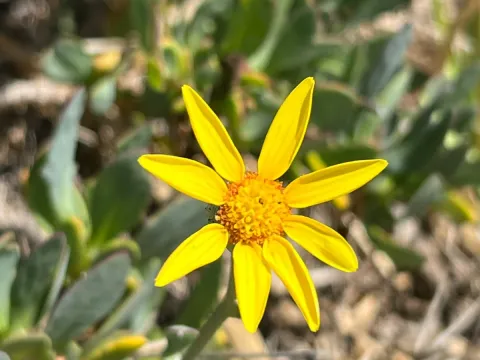
Othonna
Othonna L.
Othonna (lat. Othonna) is a diverse genus of succulent plants within the Asteraceae family. These plants are native to Southern Africa and have evolved unique morphological adaptations, including fleshy leaves and sometimes caudiciform stems, to thrive in environments with erratic rainfall and prolonged drought.
What the section contains
Othonna
In an agricultural or botanical setting, Othonna species require high levels of solar radiation to maintain their structural integrity. When grown in controlled environments, providing consistent, bright light is essential to prevent etiolation, a condition where the plant grows weak and leggy, losing its natural drought-resistant form.
The soil must provide excellent drainage. A substrate consisting of mineral components, such as pumice, coarse sand, and a minimal amount of organic matter, is recommended. This prevents the saturation of the root system, which is a common stressor for succulent plants and often leads to irreparable tissue damage.
Climatic requirements involve distinct phases of growth and dormancy. During the active growing phase, plants require moderate watering and adequate ventilation. Conversely, the dormant phase requires cooler temperatures and a significant reduction in watering frequency, mimicking the natural cycle of the African veld.
Management of water availability is the most critical aspect of Othonna cultivation. The soil should dry out completely between irrigations to avoid waterlogging the roots. Using permeable pots, such as unglazed terracotta, can assist in moisture regulation, ensuring a healthier root environment for long-term growth.
Root and stem rot caused by pathogenic fungi represent the most significant threat to Othonna. These diseases usually emerge when the substrate remains excessively wet for extended periods, creating an anaerobic environment that fosters fungal proliferation and tissue decay.
Mealybugs are the most prevalent insect pests, often colonizing the crevices of the stem and the base of the leaves. These insects weaken the host by consuming sap and can also facilitate the spread of viral diseases, requiring diligent monitoring and prompt mechanical or chemical intervention.
Spider mites can also cause damage to Othonna during hot and dry conditions. They pierce the epidermis of the plant tissue, leaving behind mottled, discolored spots. Control involves maintaining appropriate environmental humidity and using targeted acaricides when heavy infestations occur.
Cultural hygiene is vital for disease prevention. This includes regular removal of dead plant debris, which can harbor pests and pathogens. Furthermore, ensuring that the irrigation water does not remain on the foliage for extended periods is a basic but essential practice to prevent leaf spotting and fungal growth.
When implementing chemical control, it is recommended to test the sensitivity of the specific Othonna species to the product being used. Many succulents are sensitive to certain solvents or active ingredients, so professional application guidelines should always be strictly followed to avoid plant stress or phytotoxicity.