
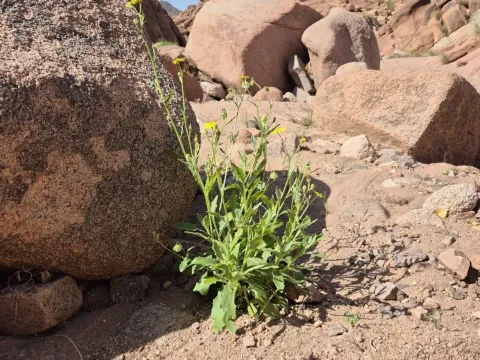
Osteospermum vaillantii
Osteospermum vaillantii
Osteospermum vaillantii is an ornamental herbaceous species within the Asteraceae family, valued for its resilient growth and attractive flowering patterns.
What the section contains
Osteospermum vaillantii
Propagation is typically performed via seeds sown in early spring, usually 8–10 weeks before the expected date of the last spring frost in the region.
Seeds should be covered with a thin layer of vermiculite or soil and kept at a temperature of approximately 18–22 degrees Celsius to ensure uniform germination.
Once seedlings have developed two sets of true leaves, they should be hardened off before being transplanted into their permanent outdoor location.
Proper spacing is crucial to ensure adequate airflow, which is vital for preventing moisture-related issues during the early stages of growth.
This species requires full sun exposure for at least six to eight hours per day to achieve its maximum potential for flowering and structural development.
The soil must be well-draining, as the plant is highly susceptible to root rot if left in waterlogged conditions for extended periods of time.
Moderate irrigation is recommended, allowing the top layer of the soil to dry out partially between watering sessions to promote healthy root respiration.
While the plant tolerates various soil types, a neutral pH is preferred to ensure the availability of essential nutrients throughout the growing season.
Occasional deadheading of spent flowers encourages the plant to redirect energy into producing new buds, thereby extending the overall blooming period.
Root rot is the most common threat when the plant is grown in heavy, poorly draining soils or subjected to excessive rainfall without proper ventilation.
Aphids are frequent pests that congregate on the undersides of leaves and tender stems, potentially causing leaf curling and stunted plant growth.
Powdery mildew may occur in stagnant, humid environments, necessitating improved spacing and occasional fungicidal treatments if the infection persists.
Regular inspection of the foliage for signs of discolouration or insect presence is essential for maintaining a healthy and vibrant floral display.
Integrated pest management, including the use of horticultural oils or soaps, is effective in minimizing the impact of common garden pests without harming plants.