
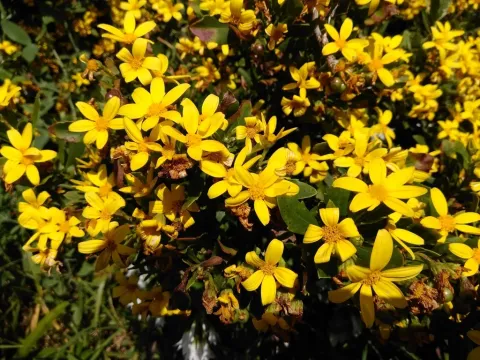
Osteospermum
Osteospermum L.
Osteospermum, commonly known as the African daisy or Cape daisy, belongs to the Asteraceae family. This perennial herb is most frequently grown as an annual flowering crop in temperate climates due to its sensitivity to harsh winter conditions.
What the section contains
Osteospermum
Sowing seeds for seedlings is carried out in February or March to ensure early summer flowering. The optimal temperature for seed germination ranges between 18–20 degrees Celsius, with seedlings typically emerging within 7–10 days after planting.
In regions with mild climates, direct sowing into open ground is possible, though it delays the onset of the flowering period. The seedling method remains the primary approach for ensuring consistent ornamental quality in commercial and domestic gardens.
Seedlings require mandatory picking during the two true leaf stage to encourage the development of a robust root system. Before transplanting into the open field, seedlings must be hardened off, gradually acclimating them to outdoor conditions and direct sunlight.
Transplanting to the permanent location should only occur once the risk of night frosts has completely passed. In southern regions, autumn sowing in greenhouses with subsequent transfer to flower beds is also a viable option.
The crop is highly photophilous and thermophilic; therefore, choosing open, well-lit sites is essential for successful growth. In shaded areas, Osteospermum shoots tend to stretch, and the intensity of flowering is significantly reduced.
The plant prefers light, well-drained, fertile soils with a neutral or slightly acidic pH. Avoiding waterlogging is crucial, as standing water can lead to the rapid decay of the root system due to the development of various rot pathogens.
Watering should be kept moderate, as Osteospermum exhibits high drought tolerance. While brief periods of soil dryness are acceptable, prolonged drought may lead to the deformation of inflorescences and the premature shedding of buds.
Regular fertilization with complex mineral fertilizers is necessary to support abundant flowering throughout the season. A balanced supply of phosphorus and potassium is particularly important in nutrient mixtures to promote the formation of new floral buds.
The optimal temperature range for active vegetation is between 20–25 degrees Celsius. While the crop can tolerate slight sub-zero temperatures for short periods, it is not considered a fully frost-hardy perennial in northern regions.
The primary threats to this crop are fungal diseases, which thrive in conditions of high humidity and poor air circulation. Gray mold is the most common issue, typically affecting stems and leaves if irrigation is excessive.
Pests such as aphids and spider mites can colonize the plants during hot, dry weather. Their activity weakens the plant, causing leaf curling and the loss of the decorative appeal of the flowers.
To combat insect pests, the use of systemic insecticides with a broad spectrum of activity is recommended. It is important to initiate treatment at the first signs of infestation to prevent the rapid expansion of pest colonies.
Prevention of fungal infections involves strict adherence to agricultural practices: avoiding overcrowding of plantings, ensuring proper air circulation, and performing controlled watering at the root base. Fungicides for both preventive and curative purposes may be used if necessary.
Root rot is the most dangerous condition, and it can only be effectively prevented through high-quality soil drainage. If a plant is systemically infected, it should be removed from the site along with its soil ball to prevent the spread of pathogens to neighboring specimens.