
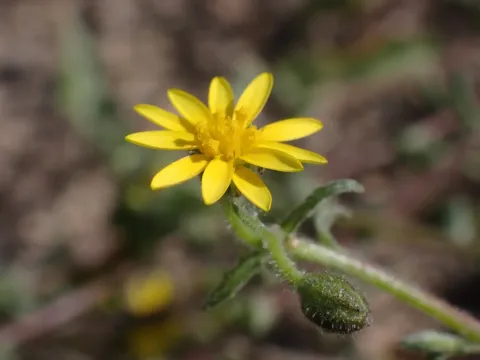
Osteospermum calendulaceum
Osteospermum calendulaceum
Osteospermum calendulaceum is an annual herbaceous plant belonging to the Asteraceae family. For high-quality seedling production, seeds are sown in a greenhouse during March or early April.
What the section contains
Osteospermum calendulaceum
Direct sowing in the open field is feasible only after the weather is consistently warm and the soil has warmed up, typically in late May. The optimal germination temperature is 18–20 degrees Celsius.
The sowing depth for the seeds should not exceed 0.5–1 centimeter. Maintaining stable soil moisture is essential, though overwatering must be strictly avoided to prevent seed rot.
Seedling transplanting is performed when two or three true leaves appear. Since the plant is sensitive to root disturbance, using peat pots is highly recommended for easier transplantation.
The final planting in the garden should only occur after the risk of late spring frosts has completely passed, as the plant is sensitive to cold.
As a native of South Africa, the plant requires maximum solar exposure to thrive. It is extremely light-loving and does not tolerate even partial shading during the day.
Light, well-drained, and fertile soils with a neutral to slightly acidic pH are ideal. Heavy clay soils should be amended with sand or perlite to improve aeration.
The plant demonstrates moderate drought tolerance; however, regular watering is necessary for vigorous blooming. Constant waterlogging of the soil is lethal to the roots.
Apply balanced mineral fertilizers 2–3 times during the growing season. Excess nitrogen will stimulate excessive foliage growth rather than the development of flowers.
In temperate zones, it is treated as a summer annual. It is important to provide shelter from strong winds, which can easily damage the brittle stems of the plant.
Improper watering and high humidity levels can lead to powdery mildew. Effective prevention includes maintaining proper spacing between plants to ensure good airflow.
Root rot represents a significant danger when water stagnates in the soil. Affected specimens should be removed immediately to protect neighboring plants.
Pests such as aphids and spider mites are the most common threats. These insects multiply rapidly in hot weather and feed on the plant's cell sap.
Control measures include the use of systemic insecticides or milder treatments like soap-based sprays when the infestation is detected early.
Regular monitoring of the planting site is essential to detect signs of disease early and prevent the spread of infections throughout the garden area.