
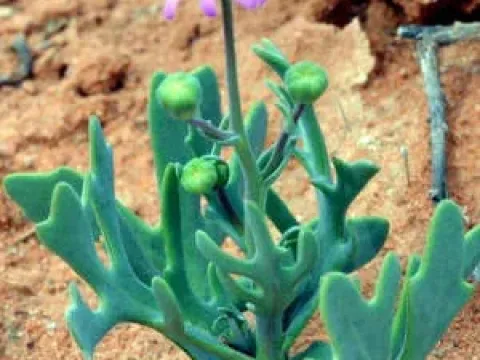
Othonna cakilefolia
Othonna cakilefolia
Othonna cakilefolia is a remarkable member of the Asteraceae family. This perennial plant is native to the arid regions of South Africa, where it has evolved to survive harsh drought conditions.
What the section contains
Othonna cakilefolia
The plant features a specialized tuberous root system that serves as a storage organ for water and essential nutrients, allowing it to remain dormant during unfavorable seasons.
Successful cultivation requires a well-draining, sandy, or rocky substrate that prevents moisture buildup around the root system, which is critical for the health of this succulent.
As a sun-loving species, it thrives in environments with high light intensity, which promotes healthy development and ensures the proper structure of its succulent leaves.
Climatic conditions should mimic its native habitat, focusing on cool-season growth and a distinct dry summer dormancy period to ensure long-term vitality.
The primary threat to the health of Othonna cakilefolia is improper irrigation management, which often leads to root rot if the substrate remains saturated for too long.
Pests such as mealybugs and spider mites frequently pose a significant challenge, especially when plants are housed in confined greenhouse environments with limited airflow.
Fungal infections can occur if the humidity levels rise too high, potentially causing leaves to drop and weakening the overall vigor of the tuberous roots.
Maintaining proper ventilation is essential for preventing these threats and ensuring that the plant remains free from moisture-related pathogens.
When infestation symptoms arise, targeted treatments using systemic or contact insecticides are necessary to manage the pests without damaging the succulent tissues.