
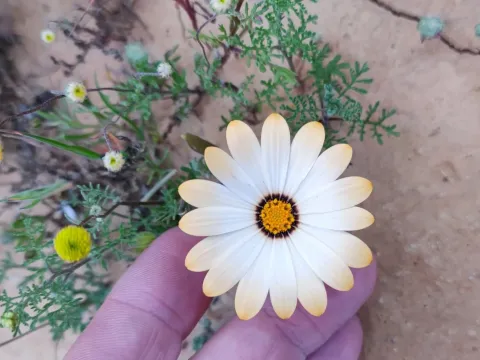
Osteospermum pinnatum
Osteospermum pinnatum
Osteospermum pinnatum is an ornamental plant belonging to the Asteraceae family. Propagation is primarily performed via seeds, which should be sown indoors in late winter or early spring to ensure a strong start before the outdoor season begins.
What the section contains
Osteospermum pinnatum
Seedlings require a consistent temperature of 20–22 degrees Celsius and a well-draining, lightweight soil mix. Maintaining proper moisture without waterlogging is crucial for the germination process and healthy initial root development.
Once true leaves appear, seedlings should be pricked out into individual containers. Pinching the terminal buds of the young plants is a standard agricultural technique to encourage branching and a denser, more bush-like appearance.
Transplanting into the garden occurs after the danger of frost has passed. Plants should be spaced 30–40 centimeters apart to allow for proper airflow, which significantly reduces the risk of fungal infections later in the season.
Vegetative propagation via cuttings is also highly effective. Cuttings taken during the growing season can be rooted in a sterile medium under high humidity, allowing for the preservation of specific phenotypic traits.
This species thrives in full sun exposure. Adequate light is necessary not only for vigorous growth but also for the full opening of its decorative flowers, which tend to close in low light or cloudy weather.
Well-drained, fertile soil is a requirement for this crop. It does not tolerate "wet feet," meaning heavy, compacted soils must be amended with organic matter or sand to improve drainage and prevent root suffocation.
Watering should be balanced. While the plant is somewhat drought-tolerant once established, consistent moisture promotes the most abundant flowering. Overwatering, however, is a common cause of plant failure in home and field settings.
Fertilization with a balanced, water-soluble fertilizer applied every two weeks during the active blooming phase supports sustained energy for flower production. High-nitrogen fertilizers should be avoided as they may promote vegetative growth at the expense of blooms.
Climatic conditions should ideally be temperate. In regions with extremely hot summers, some afternoon shade can help extend the blooming window and maintain the overall vigor of the plants.
Aphids and spider mites represent the most common pest threats to this plant. Regular inspections of the undersides of leaves are recommended, and outbreaks should be treated with appropriate systemic insecticides or miticides.
Fungal diseases, particularly gray mold and powdery mildew, are prevalent in environments with high humidity or poor air circulation. Improving airflow between plants is the most effective cultural method of prevention.
Root rot is often the result of poor soil drainage or excessive watering. Once the root system is compromised, the plant is difficult to save, making moisture management the primary defense against this pathogen.
Viral infections can sometimes affect the plant, manifesting as leaf discoloration or distorted growth. Control of sucking insect vectors is the primary strategy to prevent the spread of such diseases within a planting.
Sanitation is vital for crop health. Removing faded flowers and diseased foliage reduces the inoculum potential and keeps the surrounding area clean, thereby lowering the pressure from both pests and pathogenic organisms.