
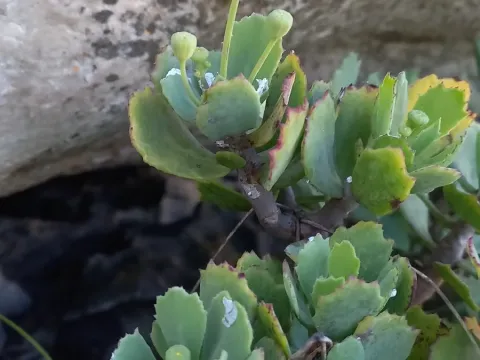
Othonna dentata
Othonna dentata
Propagation of Othonna dentata is most successfully achieved through stem cuttings, ensuring the retention of all genetic characteristics. The best time for this procedure is during the active growing season, typically in early spring, when the plant naturally begins to expand.
What the section contains
Othonna dentata
Cuttings should be allowed to callus for a couple of days in a shaded area before being inserted into a well-draining substrate. Using a mix of coarse sand and perlite encourages rapid root development while preventing moisture-related rot during the early stages.
Seed propagation is less common due to the long germination period and the specific requirements for success. If seeds are used, they should be sown on the surface of a sandy, peat-free mix and kept in a warm, brightly lit environment until emergence.
Maintaining consistent moisture is essential during the initial weeks of seedling development, but the environment must remain well-ventilated to avoid damping-off. Once the seedlings develop their first true leaves, they can be gradually exposed to drier conditions.
Young plants require careful repotting into individual pots once they have established a healthy root system. It is vital to use small containers initially to prevent excess moisture retention, which can be detrimental to the developing roots of young Othonna.
Othonna dentata is a member of the Asteraceae family, native to the arid regions of Southern Africa. As a succulent, it is highly adapted to environments with intense sunlight and infrequent, erratic rainfall, which guides its cultivation requirements.
The plant thrives in bright, direct sunlight, which is necessary to maintain its compact growth habit and vibrant leaf color. Indoors, it should be placed in a south-facing window or under supplementary grow lights to prevent the stems from becoming etiolated.
The soil must have exceptional drainage properties, as Othonna dentata is extremely sensitive to waterlogged conditions. A standard succulent potting mix, amended with additional pumice or grit, is recommended to ensure proper aeration and prevent root rot.
Watering should follow a seasonal cycle: generous during the active growth phase, provided the soil is completely dry, and sparse during the winter dormant season. Overwatering, especially in cooler conditions, is the most common cause of plant failure.
While the plant tolerates a range of temperatures, it prefers moderate warmth during the day and cooler temperatures at night, reflecting its natural habitat. It should be protected from extreme frost and prolonged exposure to damp, chilly air which can lead to fungal issues.
The primary threat to Othonna dentata is rot caused by excessive soil moisture or poor drainage. If the leaves become mushy or the base of the stem turns black, it is often a sign of advanced root decay, requiring immediate intervention and repotting.
Mealybugs are the most common pests, often settling in the crevices between leaves and along the stem. These pests can be manually removed using a cotton swab dipped in isopropyl alcohol, or by applying a targeted systemic insecticide safe for succulents.
Spider mites can also become an issue in environments with low humidity and high temperatures. They manifest as fine webbing and stippling on the leaves, which can be mitigated by increasing humidity slightly or using appropriate miticide sprays.
Fungal leaf spots can occur if the plant is kept in an area with stagnant, humid air, especially during the colder months. Ensuring good air circulation around the plant is a critical preventative measure against the spread of such pathogens.
Regular monitoring of the plant, especially underneath the leaves, allows for the early detection of infestations before they spread to other plants in the collection. A proactive approach to hygiene and climate control is essential for the long-term health of Othonna.