
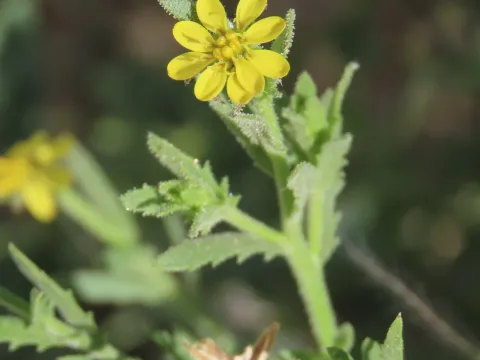
Osteospermum muricatum
Osteospermum muricatum
Osteospermum muricatum is a distinct species within the Asteraceae family, valued for its ability to thrive in arid and semi-arid environments. It originates from South African regions where it has evolved to tolerate poor, rocky soils and high solar radiation.
What the section contains
Osteospermum muricatum
Seeds are typically sown indoors during late winter, specifically 8 to 10 weeks before the expected last frost date. A light, well-draining seed-starting mix is essential to prevent moisture-related seedling diseases during the initial development phase.
The germination process requires consistent temperatures between +18°C and +22°C. Seeds should be placed on the surface of the soil and covered only very lightly with vermiculite, as light is often a trigger for successful germination in this genus.
Seedlings should be transplanted into larger individual pots once they reach a size sufficient for handling. This step helps in developing a more robust root system before the final planting into the garden or production field.
Acclimatization, or hardening off, is a crucial stage. Plants should be gradually introduced to outdoor conditions over a period of 7–10 days before they are permanently moved to the field to ensure survival against wind and UV stress.
Full sun is a non-negotiable requirement for Osteospermum muricatum. It requires at least 6 to 8 hours of direct sunlight per day to maintain its compact growth habit and to induce prolific flowering cycles throughout the season.
The soil must have superior drainage properties. While the plant can tolerate a wide variety of soil textures, waterlogged conditions are the primary cause of plant loss. Sandy or rocky substrates are the most conducive to healthy root development.
In terms of moisture management, this species is highly drought-tolerant once established. It is an excellent candidate for low-maintenance landscapes where frequent irrigation is either impossible or economically non-viable.
Optimal pH levels should remain in the neutral range, ideally between 6.0 and 7.0. While the plant can tolerate slightly alkaline conditions, extreme pH values can lead to micronutrient deficiencies that manifest as chlorosis on the foliage.
Temperature management is key to preventing premature senescence. Although the plant is resilient, it thrives best in warm climates and should be protected from prolonged freezing temperatures which can kill the perennial rootstock.
Fungal pathogens such as gray mold (Botrytis) represent the most significant threat under high humidity conditions. To mitigate this risk, farmers must ensure adequate spacing between plants to facilitate proper airflow.
Root rot, specifically caused by Pythium or Phytophthora, frequently occurs in soils with poor structural integrity. The implementation of raised beds or improved field drainage is the primary defense strategy against these soil-borne diseases.
Aphids are the most common insect pests associated with this crop. They tend to congregate on the succulent new growth and flower buds, causing stunted development and transmitting viral diseases if left untreated.
Spider mites can become a nuisance during hot, dry summer months. Their feeding causes the foliage to lose its vibrant green color, eventually leading to premature senescence if the population density is not controlled.
Integrated Pest Management (IPM) practices, including the regular inspection of the lower leaf surfaces and the selective use of horticultural soaps or systemic insecticides, provide the best results for maintaining a healthy and productive crop.