
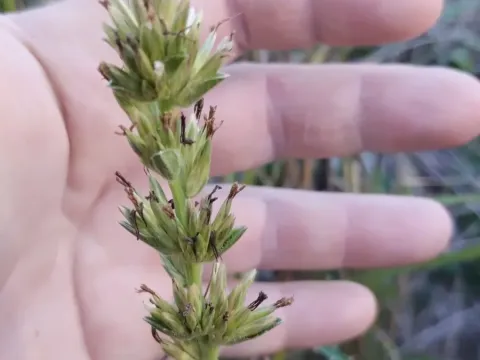
Orthopappus
Orthopappus
Orthopappus is a genus of perennial herbaceous plants belonging to the Asteraceae family. Known primarily as a botanical entity native to tropical and subtropical South America, it offers significant interest for researchers investigating bioactive plant compounds.
What the section contains

Orthopappus
The cultivation of this plant requires specific climatic conditions, primarily warmth and high humidity. It is sensitive to frost and sudden temperature drops, which can severely damage the plant's development and vegetative structure.
Soil requirements focus on well-draining, nutrient-rich substrates. The plant does not tolerate waterlogging, which necessitates careful site selection and the potential implementation of raised beds or improved drainage systems to protect the root zone.
Adequate sunlight is a critical factor for the healthy growth of Orthopappus. As a tropical species, it performs best under full solar exposure, ensuring proper photosynthesis and the accumulation of secondary metabolites required for potential industrial use.
Proper water management is essential throughout the growing cycle. While the plant requires consistent moisture, the timing of irrigation should be balanced with soil moisture sensors to prevent the development of root-borne pathogens.
The primary threats to Orthopappus cultivation involve fungal infections, particularly those triggered by excessive ambient moisture and poor air circulation. Root rot and fungal blight are among the most dangerous conditions impacting plantation survival.
Pests such as aphids, mites, and various chewing insects pose a significant risk to the foliage. Continuous monitoring is required to prevent massive infestations that could deplete the plant’s energy reserves during critical growth stages.
Integrated pest management (IPM) strategies are highly recommended to minimize the impact of pathogens and pests. This approach combines physical weed control, biological controls, and targeted, minimal chemical application.
Weed competition is particularly detrimental during the early establishment phase of the plant. Maintaining clear rows and using organic mulches can effectively mitigate weed pressure without damaging the sensitive root systems.
Disease prevention also relies heavily on strict sanitation protocols. Removing infected plant tissue immediately upon detection is vital to prevent the spread of diseases across the field or greenhouse environment.