
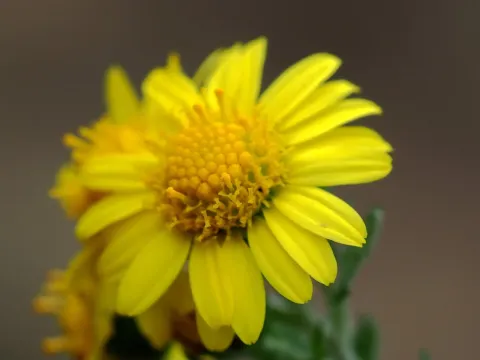
Opisthopappus
Chrysanthemum x Opisthopappus
Sowing seeds of Opisthopappus (Opisthopappus taihangensis) under protected ground conditions is usually carried out in late February or March. This allows for obtaining strong seedlings by the time of sustained spring warming.
What the section contains

Opisthopappus
A light, nutritious substrate with the addition of sand and vermiculite is used for germination. Seeds are distributed over the surface, lightly covered with soil, and high humidity is maintained.
At a temperature of about 20–22 degrees Celsius, seedlings appear in 10–14 days. After the appearance of two true leaves, the seedlings must be pricked out into separate containers.
Planting seedlings into open ground is possible only after the threat of recurrent frosts has passed, as young plants are sensitive to low temperatures.
When propagating vegetatively by dividing the bush or taking cuttings, the timing shifts to May, which allows the plant to adapt more quickly to field conditions.
Opisthopappus belongs to the Asteraceae family and has specific requirements for illumination. To ensure full growth and bud formation, it is necessary to choose sunny, open areas.
The crop prefers well-drained, limed loams or sandy loam soils with a neutral or slightly alkaline pH level.
The plant possesses moderate drought resistance; however, during the active growing season, it requires regular watering without water stagnation at the roots.
Applying mineral fertilizers with a predominance of potassium and phosphorus during the budding period significantly improves decorative qualities and the overall vitality of the bush.
Optimal climatic conditions for this crop include a moderate summer with enough sunny days and a cool autumn, which promotes lush flowering.
The main danger to Opisthopappus during periods of high humidity is posed by fungal diseases, such as powdery mildew and various types of rot.
To prevent infection with fusarium or rust, it is important to observe crop rotation and avoid overcrowded plantings, ensuring good air circulation.
Among pests, aphids and spider mites cause the most damage by sucking juices from the young shoots and leaves of the plant.
Effective control measures include regular inspections of plantings and the use of systemic insecticidal preparations at the first signs of infestation.
- Regular soil loosening to improve root aeration.
- Removal of affected plant parts to prevent the spread of spores.
- Timely fertilization to increase natural immunity.
The economic use of Opisthopappus is focused on decorative floriculture; therefore, harvesting in this context involves cutting flower stalks.
The optimal time for cutting inflorescences occurs when they are in the semi-blooming phase, which ensures maximum longevity in a vase.
When used in landscape design, faded inflorescences are recommended to be removed to stimulate a second wave of flowering or to maintain the aesthetic appearance of the bush.
For winter in regions with harsh climates, the above-ground part of the plant is cut to a level of 5–10 centimeters, and the root system is covered with mulch.
Seed collection is carried out in dry weather after full maturation, when the baskets begin to turn brown, ensuring proper drying before storage.