
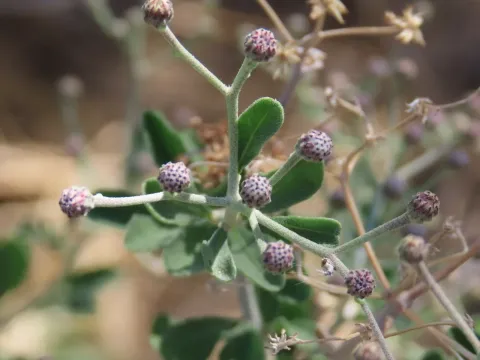
Orbivestus
Orbivestus
Sowing Orbivestus is typically carried out in the spring once soil temperatures reach a stable 10–12 degrees Celsius. Ensuring the soil is sufficiently warm is critical, as premature planting in cold conditions can severely hinder germination rates and expose seeds to pathogens.
What the section contains

Orbivestus
Proper seed preparation, including the application of broad-spectrum fungicides, is highly recommended to protect against early-stage soil-borne diseases. Sowing depth generally ranges from 3 to 5 centimeters, depending on the soil structure and existing moisture levels.
Optimizing row spacing, typically between 45 and 60 centimeters, facilitates better airflow and allows for more efficient mechanical inter-row cultivation throughout the growing season. Achieving uniform plant spacing is essential for maximizing yield.
The use of precision planters is advised to ensure consistent depth and density, which leads to a more synchronized growth cycle across the entire field. This uniformity significantly simplifies both the plant protection schedule and the final harvesting process.
Post-sowing field operations should include light rolling to improve soil-to-seed contact. This practice promotes moisture capillary action, which is vital for achieving rapid and even seedling emergence in drier soil conditions.
Orbivestus belongs to the Asteraceae family and requires significant exposure to sunlight to reach its full physiological potential. Shaded areas should be avoided, as they negatively impact both biomass development and the final quality of the crop.
High-quality, well-drained loam or chernozem soils are preferred for this culture. Maintaining a neutral soil pH is essential for ensuring that all necessary nutrients remain bioavailable to the plants during their peak growth stages.
A balanced fertilization strategy is necessary, incorporating both essential macronutrients and specific micronutrients based on soil analysis. Special focus should be placed on phosphorus and potassium levels during the establishment of the root system.
Water management is a key factor in successful cultivation. While the crop can tolerate mild dry spells, supplemental irrigation is recommended in arid regions to maintain consistent growth rates and prevent physiological stress.
Field maintenance throughout the growing season must include regular inter-row cultivation. This not only suppresses competing weed populations but also improves soil aeration and reduces moisture loss due to surface evaporation.
The primary threats to Orbivestus include various fungal pathogens that thrive in high-humidity environments. Implementing an integrated pest management (IPM) strategy is essential for mitigating the risk of widespread disease outbreaks.
Insect pests, such as aphids and various leaf-feeding beetles, pose a direct threat to the foliage and overall plant vigor. Consistent monitoring is required to trigger appropriate control measures before economic injury thresholds are reached.
Crop rotation is a fundamental tool for disease prevention. Maintaining a cycle of at least 3 to 4 years between planting Orbivestus on the same land helps break the lifecycle of soil-borne pathogens and pests specific to the Asteraceae family.
When applying chemical protection, it is vital to adhere to local regulations and safety intervals. Using biological alternatives when possible can also help reduce the chemical footprint while maintaining effective control over target pests.
Cultural practices, such as the rapid removal of crop residues and thorough weed control, significantly lower the overall infection pressure on the field. Healthy, well-nourished plants are naturally more resilient to environmental stress.
Harvesting Orbivestus must be performed at the peak of physiological maturity to ensure the highest product quality. Any delay in harvesting can lead to seed shattering or a decline in the nutritional value of the harvested biomass.
Modern harvesting equipment, specifically combines with correctly calibrated threshing settings, should be used to minimize mechanical damage to the crop. Proper machinery adjustment is crucial for maintaining the structural integrity of the harvested material.
Once harvested, the product requires immediate post-harvest processing, which includes cleaning and drying to reach a safe moisture level. Storing damp material is strictly discouraged, as it invites mold growth and rapid spoilage.
Warehouse storage facilities must be clean, dry, and well-ventilated to maintain the quality of the harvested batch. Frequent monitoring for self-heating within the grain pile is an essential safety precaution during long-term storage.
Final packaging and logistics are the last steps to ensure that the product reaches the consumer in prime condition. Using appropriate moisture-resistant containers for transportation helps maintain quality during transit to processing facilities.