
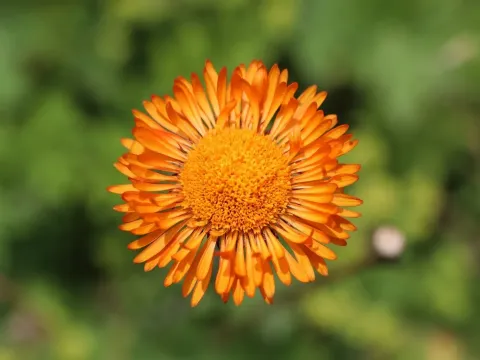
Orange fleabane
Erigeron aurantiacus
Orange fleabane, scientifically known as Erigeron aurantiacus, is a perennial herbaceous plant belonging to the Asteraceae family. Seeds are typically sown in prepared beds during the autumn or early spring after the frost threat has passed.
What the section contains
Orange fleabane
For indoor propagation, seeds should be sown in trays filled with a light, well-draining seed-starting mix. The soil should be kept consistently moist but not waterlogged until the germination process is completed.
Light coverage of seeds with fine soil or vermiculite is recommended, as many species in this genus require exposure to light for successful sprouting. Maintain an ambient temperature of 18-20 degrees Celsius for optimal results.
Transplanting seedlings into individual pots is performed when the first true leaves have developed. This process encourages the development of a robust root system before the plants are moved to their permanent location.
Planting spacing is crucial for airflow and disease prevention, usually ranging from 20 to 30 centimeters apart. Proper spacing ensures that each plant receives adequate sunlight and nutrient uptake from the soil.
Originating from mountain regions in Central Asia, this plant is naturally adapted to rugged environments and cooler climates. It thrives best in full sunlight, which is necessary to maintain its vibrant flower color.
The soil must be fertile and exceptionally well-draining to prevent the accumulation of moisture near the crown. Adding organic matter or sand can significantly improve the texture of heavy or compacted soil types.
While drought-tolerant once established, Orange fleabane requires regular watering during its peak growing and flowering periods. Avoiding overhead irrigation helps in preventing leaf diseases and protecting the petals.
Fertilization with a balanced NPK ratio is recommended during the early spring to stimulate vigorous vegetative growth. Once the buds begin to form, an application of phosphorus-rich fertilizer can enhance bloom quality.
Regular maintenance involves removing spent flowers to encourage a second flush of blooms later in the season. Keeping the garden bed free from invasive weeds is essential to minimize competition for resources.
Fungal diseases, including powdery mildew and various leaf spot pathogens, represent the most common threats to the health of this crop. High humidity and poor air circulation act as primary catalysts for these issues.
To mitigate disease pressure, it is essential to keep the foliage dry and provide enough space for air to circulate freely. Applying appropriate fungicide treatments can help manage outbreaks if early signs are detected.
Pests such as aphids and spider mites can infest the soft tissues of the plant, leading to stunted growth and reduced ornamental value. Regular scouting and early intervention are key to controlling insect populations.
Integrated pest management strategies, including the use of beneficial insects and biological soaps, can be employed to control pests without harming the environment. Chemical interventions should be used only as a last resort.
General plant vigor is the best defense against both pests and pathogens. Providing optimal sunlight, correct moisture levels, and fertile soil will result in a healthier, more resilient plant population.