
Oxeye sunflower
Heliopsis helianthoides (L.) Sweet var. scabra (Dunal) Fernald
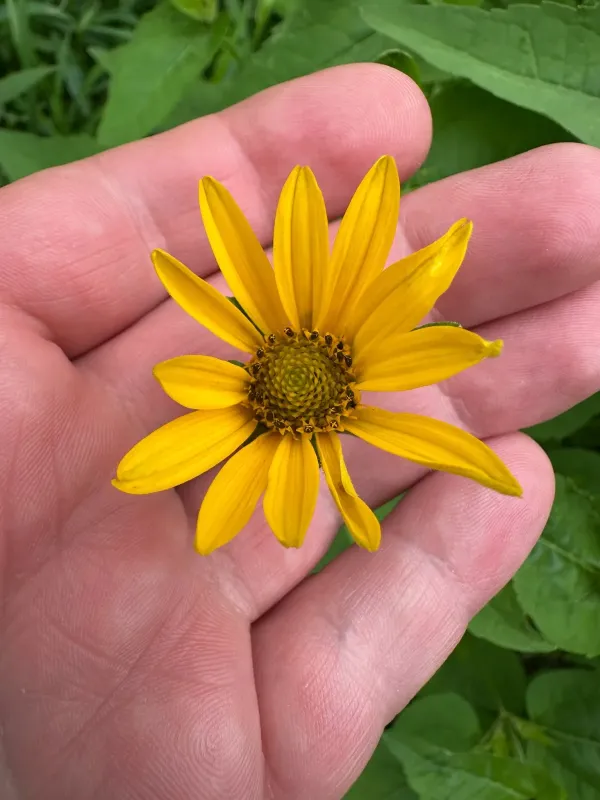
Description
Sowing dates
Heliopsis helianthoides, a member of the Asteraceae family, is typically propagated by seeds or division. Direct sowing in the garden should occur in early spring or late autumn to allow for natural stratification if the climate permits.
For greenhouse cultivation, seeds should be started indoors in late winter. They require a light, well-draining seed-starting mix and should be covered lightly with soil, as they need consistent moisture to germinate successfully.
Seedlings should be thinned or transplanted when they develop their first set of true leaves. Ensuring they receive ample bright light is crucial to prevent the seedlings from becoming leggy and weak before being moved outdoors.
Division is the most reliable method for maintaining specific cultivars. The plants should be divided every three to four years in early spring, which encourages vigorous growth and maintains the desired shape of the clump.
When planting in the field, maintain a spacing of at least 40–50 cm. This spacing ensures that every plant receives adequate sunlight and airflow, which are fundamental to preventing humidity-related issues in the foliage.
Growing requirements
The oxeye sunflower thrives in full sun, requiring at least six to eight hours of direct sunlight per day. While it can tolerate partial shade, insufficient light often results in weaker stems that may require mechanical support.
This species is highly adaptable regarding soil types but prefers rich, loamy soil with good drainage. It is famously drought-tolerant once established, thanks to its deep and resilient root system.
While the plant can handle various soil pH levels, it performs best in neutral to slightly acidic conditions. It is essential to avoid sites prone to waterlogging, as standing water significantly increases the risk of root rot.
Regular watering is recommended during the first growing season to establish a deep root system. After the first year, minimal supplemental watering is needed, except during severe, prolonged drought periods.
Fertilizing is generally optional for this hardy perennial. However, if the soil is poor, applying a balanced, slow-release fertilizer in early spring can help boost the overall health and flower production of the plant.
Main diseases and pests
Heliopsis is generally robust and resistant to most serious plant diseases. However, powdery mildew can occasionally affect the leaves if the environment is too humid or if the plants are crowded together.
Management of fungal issues is best achieved through cultural practices. Proper spacing and ensuring that foliage stays dry by watering at the base rather than overhead are effective preventative measures.
Aphids can occasionally cluster on tender new growth or flower buds. A gentle stream of water is often enough to dislodge them, though horticultural soaps or neem oil may be used for heavier infestations.
Root rot is the most significant threat to the plant's longevity, particularly in heavy clay soils. Ensuring excellent drainage through the addition of organic matter or gravel is the primary line of defense.
Regular maintenance, such as deadheading spent blooms, not only improves the plant's aesthetic appeal but also encourages a second flush of flowers and prevents the plant from expending energy on seed production.