
Heliopsis helianthoides
Heliopsis helianthoides (L.) Sweet
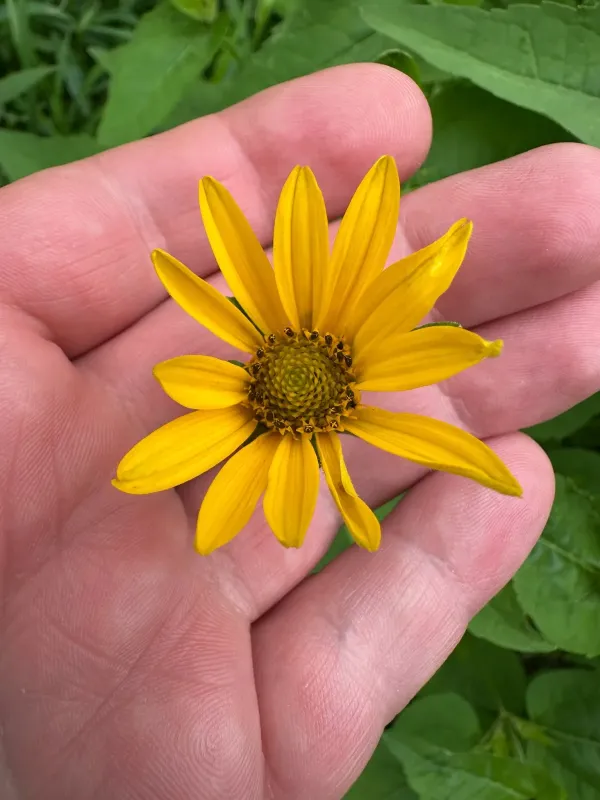
Description
Sowing dates
Sowing of Heliopsis helianthoides can be performed either in late autumn for natural stratification or in early spring. Direct seeding in the field requires a well-prepared seedbed with fine soil structure to ensure optimal contact between seeds and the earth.
For container-grown seedlings, seeds are sown in late winter. Maintaining a temperature range of 18–22°C is critical for uniform germination, which usually occurs within 14 to 21 days after sowing.
Seeds should be covered only lightly with a thin layer of substrate. Excessive burial depth can significantly impede emergence, as the seeds require slight exposure to light to initiate the germination process effectively.
Once true leaves develop, seedlings should be thinned or transplanted. Proper spacing is essential to encourage strong root development and to prevent early-stage competition for nutrients and sunlight.
Vegetative propagation via root division is a standard practice for this species. Dividing mature clumps every few years helps rejuvenate the plants and maintains the vigor of the stand, ensuring consistent growth.
Growing requirements
Heliopsis helianthoides, a member of the Asteraceae family, is a heliophilic plant. It performs best in full sun, which is necessary for the development of sturdy stems and high-quality floral displays throughout the season.
The plant thrives in a wide range of soil types but prefers fertile, well-draining loams. While it shows remarkable tolerance to poor soil quality, organic amendments can significantly improve plant health and biomass production.
Drought tolerance is a key feature of this species once it is fully established. Despite this, supplemental irrigation during prolonged dry spells is recommended to maximize flowering potential and plant longevity.
The agronomic management includes balanced fertilization during the active growing phase. High nitrogen levels early in the season promote leafy growth, while potassium is essential for overall plant resilience and flower development.
Air circulation is a crucial requirement for maintaining plant health. Proper spacing between individual plants prevents the creation of microclimates that are favorable for the development of fungal pathogens.
Main diseases and pests
Powdery mildew is the most prevalent fungal disease affecting this crop. It typically appears during periods of high humidity and poor air circulation, manifesting as a white, powdery layer on the surface of the foliage.
Aphids represent the primary insect pest threat to the plant. These insects concentrate on developing buds and soft shoot tips, potentially causing stunted growth and reducing the overall quality of the flowers.
Integrated pest management strategies involve the use of systemic insecticides if pest populations exceed the economic threshold. Preventive monitoring is advised to detect early infestations before they spread.
Sanitation practices, such as the removal of dead or diseased plant tissue, are essential for disease control. Eliminating infected foliage reduces the inoculum pressure for the following growing season.
Good soil drainage and proper spacing are the best defensive measures against common horticultural problems. Heliopsis helianthoides remains a robust and reliable plant when these basic environmental needs are addressed.