
Heliopsis hybrids
Heliopsis hybrids
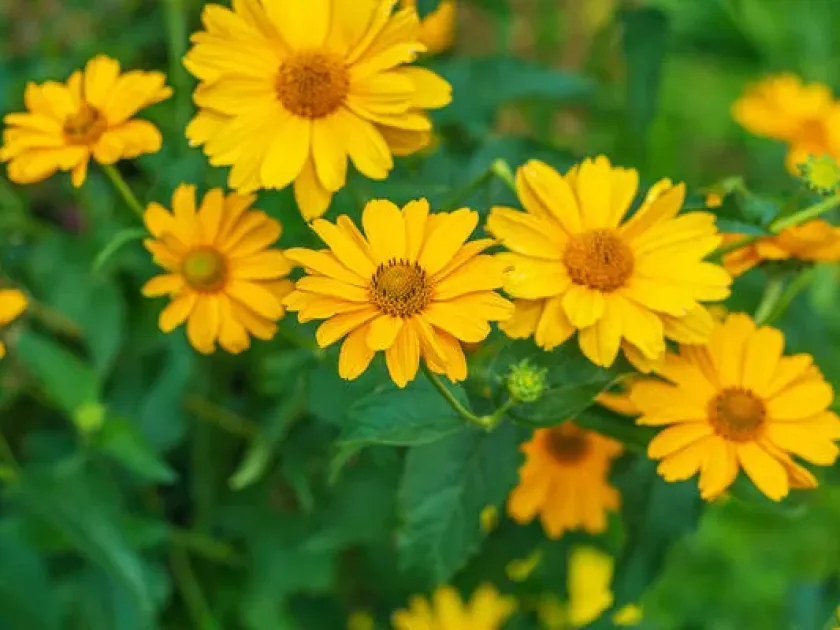
Description
Sowing dates
Heliopsis hybrids are perennial herbaceous plants belonging to the Asteraceae family. Originating from North America, these robust plants have been extensively bred for improved flowering traits and garden performance.
Propagation is typically achieved through seed germination or vegetative division of established clumps. Seeds are sown in early spring in a well-draining seed-starting mix, ensuring consistent moisture levels until germination occurs.
Direct outdoor sowing is recommended after the risk of frost has passed, as the soil warms up significantly. Sowing in rows with proper spacing is essential to prevent overcrowding and to ensure vigorous development of individual plants.
Vegetative division should be performed in spring or autumn when the plant is not in its peak flowering phase. This method ensures that the hybrid characteristics remain consistent and the plant establishes roots quickly in its new location.
The growth rate of Heliopsis hybrids is vigorous, often reaching heights of 80 to 150 cm. Their strong stems usually do not require staking, making them a low-maintenance choice for large-scale landscape applications.
Growing requirements
Heliopsis hybrids are sun-loving plants that require at least six to eight hours of direct sunlight daily to perform optimally. Insufficient light results in leggy growth and significantly reduced blooming potential.
They thrive in fertile, well-draining soil types. While they are tolerant of various soil conditions, they perform best in loamy substrates enriched with organic matter, which provides both nutrients and moisture retention.
The climate requirements for these plants are moderate, as they exhibit high winter hardiness. They are naturally adapted to tolerate periods of drought, but supplemental watering during prolonged dry spells is beneficial for sustaining long-lasting flowers.
Agronomic practices include consistent weeding to eliminate competition for nutrients and regular mulching to keep the soil temperature stable. This helps in maintaining soil structure and preventing the evaporation of surface moisture.
Fertilization should be balanced, with a focus on encouraging flowering rather than excessive vegetative growth. A slow-release granular fertilizer applied once in early spring is usually sufficient to support the plant throughout the growing season.
Main diseases and pests
Heliopsis hybrids are relatively resistant to major plant diseases, but they are occasionally susceptible to powdery mildew under conditions of high humidity and poor air circulation. Symptoms appear as a white, dusty layer on the foliage.
Disease control involves the application of appropriate fungicides and, more importantly, ensuring proper spacing between plants to improve airflow. Sanitation practices, such as removing infected leaves, are vital to control the spread.
Aphids represent the primary insect pest, often clustering on the undersides of leaves and on developing flower buds. Early detection is critical, and they can be managed using insecticidal soaps or systemic pest control products.
Other potential threats include slugs and snails, particularly in newly planted areas or during exceptionally wet seasons. Barrier methods or organic baits can be used to protect younger plants from being decimated by these pests.
Regular monitoring and removing spent flower stalks help maintain the plant's health and vigor. By focusing on general plant hygiene and optimal growing conditions, the impact of pests and diseases can be kept to a minimum.