
Heliopsis buphthalmoides
Heliopsis buphthalmoides
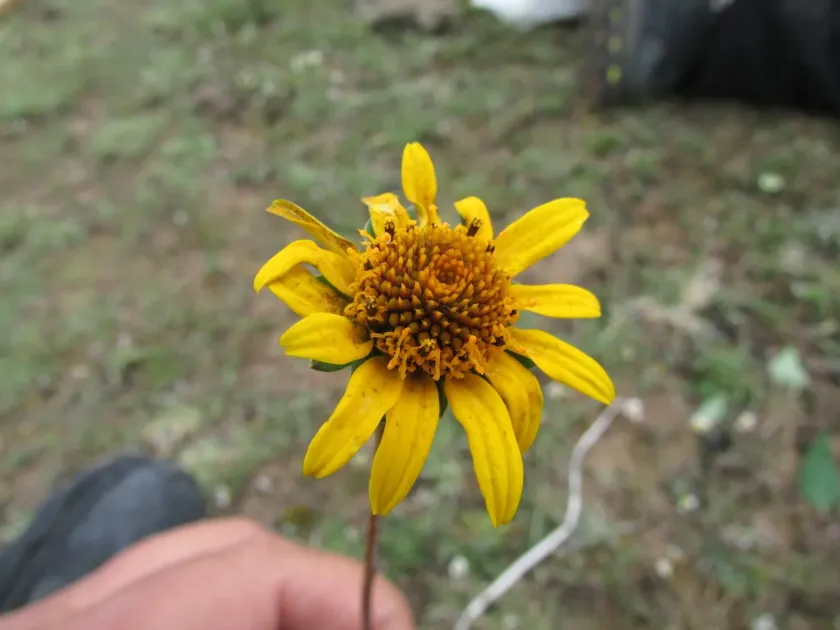
Description
Sowing dates
Sowing Heliopsis buphthalmoides is typically performed in early spring once the danger of frost has passed. Direct seeding into the garden soil requires a well-prepared seedbed and a consistent temperature of around 20 degrees Celsius for optimal germination.
For gardeners aiming for earlier flowers, starting seeds indoors in late winter is highly recommended. Using propagation trays filled with a light, sterile soil mix ensures better control over the environment and protects young seedlings from external shocks.
Seeds should be covered lightly with a thin layer of substrate, as they require some ambient light to germinate effectively. Maintaining uniform moisture is critical during the initial three weeks of the plant's development.
Once seedlings have developed two sets of true leaves, they should be hardened off before transplanting into the open field. Spacing should be maintained at 30 to 45 centimeters apart to facilitate airflow and healthy root expansion.
After reaching maturity, the plant establishes a strong perennial base. Strategic thinning of the seedbed ensures that each plant receives sufficient nutrients to support its vigorous annual growth cycle.
Growing requirements
As a member of the Asteraceae family, this species thrives in full sun exposure. It is crucial to select a site that receives at least six to eight hours of direct sunlight daily to promote optimal photosynthesis and flowering.
The plant performs best in well-drained, nutrient-rich soils with a neutral pH. Although it possesses moderate drought tolerance, regular watering during the peak growing season is necessary to maximize the display of its characteristic blooms.
Soil structure should be monitored to prevent compaction, which can impede water drainage and root development. Incorporating organic matter, such as compost or aged manure, can significantly improve the vitality of the plant.
During the dormant season, winter hardiness can be enhanced by applying a layer of organic mulch around the base of the plant. This protects the crown from extreme temperature fluctuations and excessive soil moisture.
Regular maintenance, including the removal of spent flower heads, encourages secondary blooming and directs the plant's energy towards root health rather than seed production.
Main diseases and pests
Aphids are the most common pests affecting this culture, often clustering on the tender new growth of the plant. Monitoring the undersides of leaves and using biological control methods can mitigate the spread of these insects.
Powdery mildew is a recurring threat in humid or overcrowded conditions. Ensuring proper spacing and optimizing the timing of irrigation—avoiding wet foliage overnight—are the most effective preventative measures against this fungal pathogen.
Root rot, driven by stagnant water, can devastate mature plants. If soil drainage is suboptimal, raised beds or soil amendment with coarse sand may be necessary to ensure the survival of the crop in wetter climates.
Sanitation practices play a vital role in preventing the overwintering of pathogens. Removing and destroying infected plant debris at the end of the season drastically reduces the threat level for the following year.
Effective scouting involves daily inspections during the height of summer. By identifying localized pest activity early, one can manage the population before it reaches an economic or aesthetic threshold requiring treatment.