
Endopappus macrocarpus
Endopappus macrocarpus
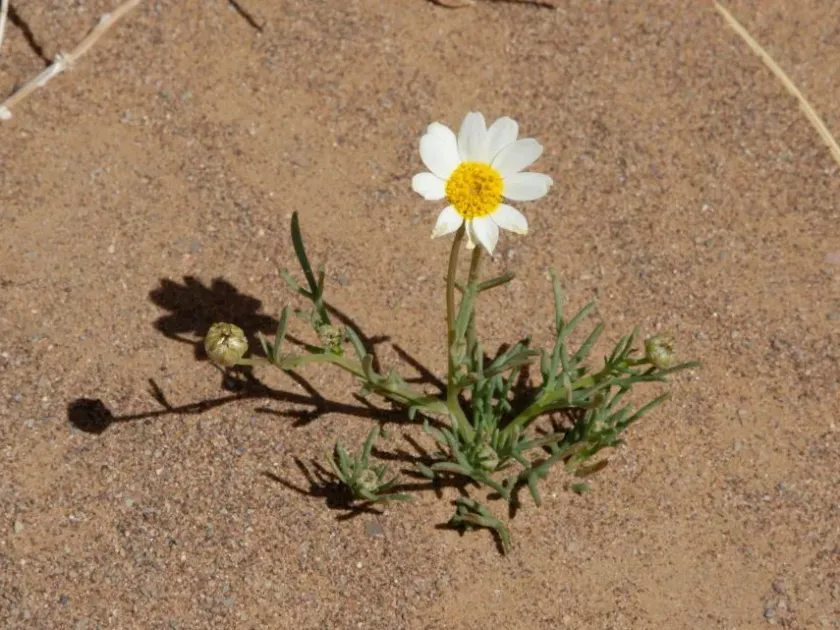
Description
Growing requirements
Endopappus macrocarpus is a noteworthy species belonging to the Asteraceae family. This perennial herbaceous plant is distinguished by its unique fruit structure, which features a prominent internal pappus, giving it a high degree of botanical interest for researchers and agriculturalists alike.
The plant thrives in regions with well-drained, fertile soil, ideally ranging from sandy loam to loamy textures. It requires adequate sunlight exposure to reach its full potential, as shading can lead to elongated, weak stems that are less resistant to adverse weather conditions.
From a botanical standpoint, Endopappus macrocarpus exhibits a strong root system capable of deep soil exploration. Its structural integrity is a result of evolutionary adaptations to its native environments, which typically favor consistent growth throughout the vegetative period.
Temperature requirements for optimal cultivation hover between 18 and 24 degrees Celsius. While it demonstrates resilience to minor climate fluctuations, consistent irrigation during the peak growing phase significantly improves overall yield and plant health.
In terms of agricultural utilization, the crop is primarily grown for its green mass, providing a valuable nutritional source for livestock. Ongoing studies aim to optimize seed production for potential industrial applications, further increasing its economic value in the farming sector.
Main diseases and pests
Common agricultural threats for this crop include fungal infections, which are often exacerbated by poor drainage and excessive air humidity. Proactive measures such as maintaining proper field hygiene are essential to mitigate these risks.
Pest pressure can vary by region, with aphids and leaf-eating beetles being the most frequent visitors. Integrated pest management strategies are recommended to maintain healthy plant populations while minimizing chemical input.
Root rot caused by soil-borne pathogens is a significant concern in fields with inadequate crop rotation practices. Ensuring a diversity of crops in the rotation cycle helps break the life cycles of specific pathogens.
Competition from invasive weeds during the early establishment phase is a critical factor affecting yield. Regular inter-row cultivation is the most effective method for controlling weed spread in large-scale fields.
Finally, farmers should monitor for viral diseases that may be transmitted by insect vectors. Maintaining field buffers and monitoring for early symptoms allows for timely intervention and crop preservation.