
Enceliopsis nudicaulis
Enceliopsis nudicaulis
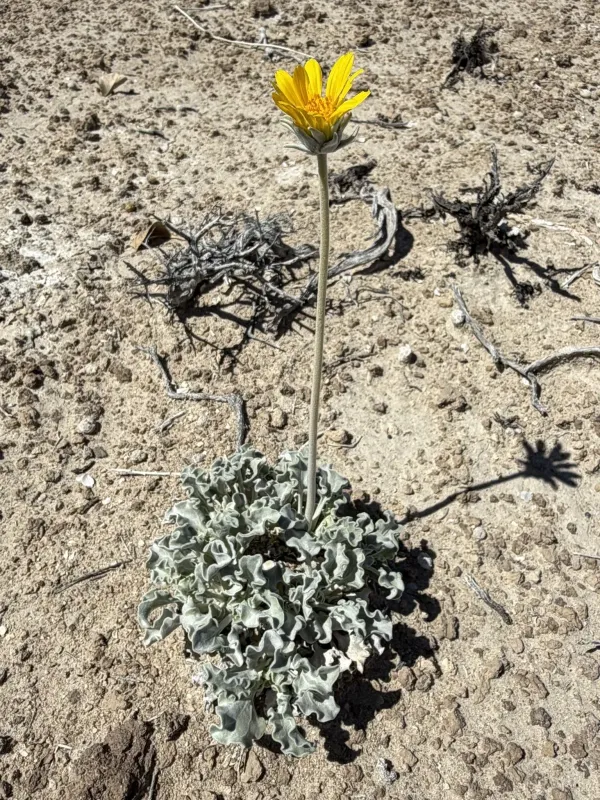
Description
Growing requirements
Enceliopsis nudicaulis, commonly known as the naked-stem sunray, is a hardy perennial belonging to the Asteraceae family, well-adapted to the harsh environments of the American Southwest.
Botanically, the plant is characterized by a basal rosette of silvery-green leaves and impressive yellow flower heads carried on tall, naked stems, which bloom in late spring.
The culture thrives in well-draining, coarse-textured soils including rocky or gravelly slopes, reflecting its native adaptation to the desert climates of Nevada and Utah.
Sunlight requirements are absolute; the plant requires full sun exposure to maintain its structural integrity and ensure the production of vibrant inflorescences.
In terms of agricultural management, irrigation should be kept at a bare minimum after the plant is established, as it is highly evolved for xeriscaping and drought-prone regions.
Main diseases and pests
The most significant threat to Enceliopsis nudicaulis in a managed setting is root rot caused by poor soil drainage and excessive soil moisture during the dormant season.
Fungal diseases like powdery mildew may occur if the plant is grown in areas with high humidity and poor air circulation, necessitating strategic spacing.
Pests such as aphids may occasionally infest the tender floral parts, which can be managed through biological control methods or selective horticultural oils.
Over-fertilization represents a major cultural error; the plant is naturally adapted to nutrient-poor soils and excess nitrogen can cause weak, spindly growth.
Maintaining a dry, well-aerated environment is the primary preventative strategy for keeping the plant free from most common pathogens and physiological disorders.