
Emilia coccinea
Emilia coccinea (Sims) G. Don
Description
Sowing dates
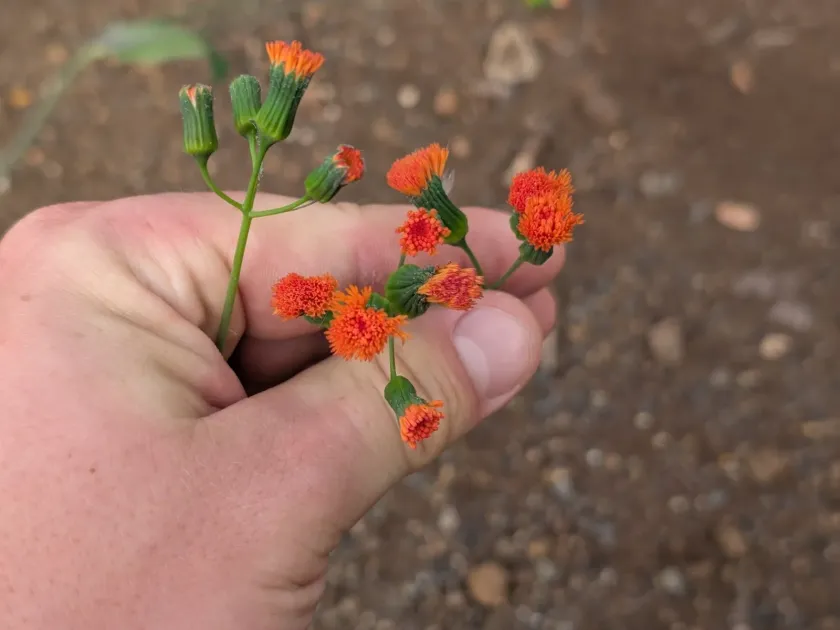
Emilia coccinea, commonly known as the Tasselflower, is an annual herbaceous plant belonging to the Asteraceae family. In temperate climates, seeds are sown indoors in late winter or early spring.
The seeds require light to germinate, so they should be surface-sown on a moist substrate and kept at a temperature of approximately 20 degrees Celsius for optimal results.
Direct outdoor sowing is possible once the danger of frost has completely passed. The seeds should be lightly covered with fine soil to keep them in place while ensuring they receive necessary sunlight.
Seedlings should be thinned or transplanted to their permanent locations once they have developed their first true leaves, ensuring enough space for each plant to mature.
Proper spacing of about 25 centimeters is crucial to allow for adequate air circulation, which helps prevent various fungal diseases throughout the growing season.
Growing requirements
Emilia coccinea thrives in full sun exposure. While it can tolerate partial shade, maximum sunlight is preferred to ensure a vibrant and abundant display of flowers.
The plant prefers well-drained, fertile soil with a neutral pH level. It does not tolerate waterlogged conditions, which can lead to rapid root decay and plant failure.
Regular watering is necessary to maintain soil moisture during hot and dry spells. However, the soil surface should be allowed to dry slightly between irrigation sessions.
While the plant is relatively low-maintenance, a light application of balanced fertilizer during the early growth stage can significantly boost bloom production.
Mulching around the base of the plants helps to retain moisture in the soil, suppresses weed growth, and keeps the root zone cool during peak summer temperatures.
Main diseases and pests
Aphids and spider mites are the most common pests that can attack the foliage and developing buds of Emilia coccinea, especially in hot and dry weather conditions.
Fungal diseases, including powdery mildew, may occur if the plants are grown in overcrowded conditions or if there is excessive humidity without proper airflow.
To combat pests and diseases, early detection is key. Using insecticidal soaps or neem oil is often sufficient for minor infestations without harming beneficial insects.
Proper sanitation, such as removing fallen leaves and spent blossoms, is an essential practice to reduce the overwintering of pathogens and prevent disease recurrence.
Ensuring that the plants are not overwatered is the primary defense against root rot, which remains a significant threat in poorly drained or heavy clay soils.
Harvesting
Emilia coccinea is primarily grown for its ornamental value in flower beds and its utility as a high-quality cut flower for artistic floral arrangements.
For the best results in vase life, stems should be cut in the early morning when the blooms are just beginning to open, allowing them to unfurl in the water.
Seed collection should be performed when the flower heads have dried out and started to release their feathery pappus, indicating that the seeds are fully mature.
Seeds should be stored in cool, dry, and dark conditions inside paper envelopes to maintain high germination rates for the following season's sowing cycle.
The plant acts as an excellent pollinator attractant, bringing bees and butterflies into the garden, which contributes positively to the overall biodiversity of the landscape.