
Emilia sonchifolia
Emilia sonchifolia (L.) DC.
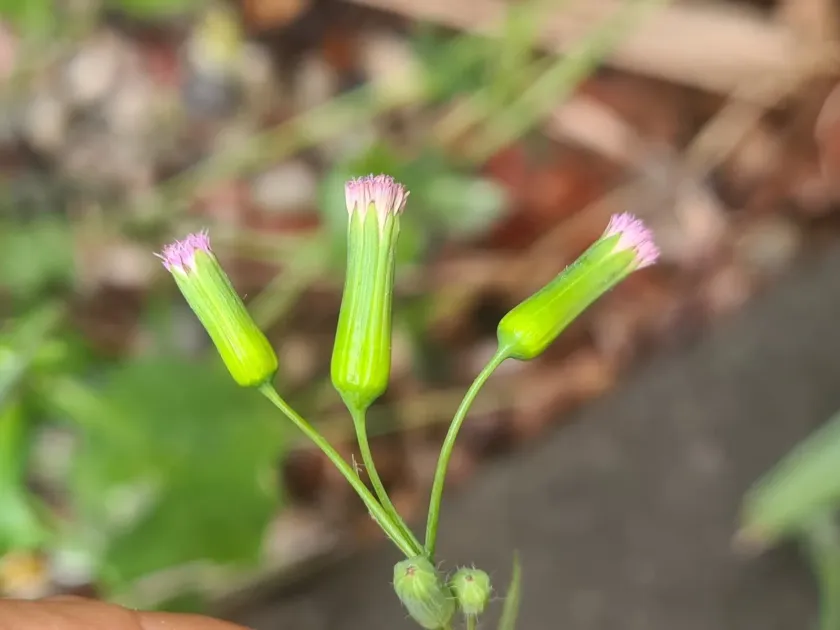
Description
Sowing dates
Emilia sonchifolia, commonly known as sowthistle tasselflower, is a tropical annual that requires specific thermal conditions for optimal germination and early growth.
Seeds should be sown in loose, well-draining soil at a shallow depth to ensure they receive sufficient light for successful activation during the emergence phase.
When cultivating in field conditions, it is crucial to maintain proper row spacing to prevent competition for nutrients and sunlight among the developing plants.
In regions with fluctuating temperatures, using a greenhouse for initial growth is highly recommended to protect young seedlings from cold shock.
The ideal sowing schedule aligns with the onset of the warm season, ensuring that the plant benefits from long, sun-filled days throughout its vegetative period.
Growing requirements
This member of the Asteraceae family thrives best in full sunlight, which is necessary to promote vigorous stem growth and high-quality floral development.
The species is adaptable to various soil types, but it shows a distinct preference for loamy soils that provide a balance between moisture retention and drainage.
Watering management is essential, as the plant demands consistent moisture without becoming waterlogged, which can lead to root system degradation.
Fertilization regimes should focus on balanced NPK ratios to support healthy foliage production without stimulating excessive, weak succulent growth.
Good air circulation is vital, especially when growing in dense stands, to maintain a dry microclimate that discourages the development of foliar pathogens.
Yield
The yield of Emilia sonchifolia is primarily measured by the total weight of dried aerial parts, which are highly valued in both herbal and industrial markets.
Optimal yields are achieved when plants are harvested at the peak of their blooming cycle, ensuring the highest concentration of phytochemical compounds.
Techniques such as frequent harvesting of secondary branches can encourage a continuous production cycle, significantly increasing the total seasonal output per plant.
Soil nutrient status and weed control are the most significant factors influencing the total biomass potential of a crop field planted with this species.
Proper harvest management ensures that the plant regrows efficiently if harvesting conditions are tailored to preserve the central meristematic tissues.
Main diseases and pests
Aphids and spider mites are the most frequent pests observed in Emilia sonchifolia fields, often causing leaf curling and general growth stagnation.
Fungal diseases, including downy mildew, can pose a serious threat if humidity levels remain consistently high for extended periods during the growing season.
Integrated pest management strategies are advised, starting with regular field monitoring and the use of organic insecticidal soaps if infestation thresholds are met.
Root rot pathogens become a significant risk if soil drainage is compromised, necessitating careful site selection and the installation of appropriate drainage channels.
Preventative measures like crop rotation help to break the life cycles of soil-borne pests and reduce the accumulation of disease-causing inoculum in the field.
Harvesting
Harvesting should be executed during dry weather to minimize the risk of post-harvest spoilage caused by excessive moisture trapped in the harvested biomass.
Careful handling of the plant material is required to prevent bruising the leaves, which could initiate an enzymatic breakdown and decrease final product quality.
Drying processes must be performed in shaded, well-ventilated areas to protect the volatile oils and active ingredients from degradation by ultraviolet light.
For seed production, harvesting should occur once the seed heads reach maturity and start to naturally disperse, typically signaled by a change in coloration.
Final storage involves placing the dried materials into air-tight containers, held in a cool environment to maintain the integrity of the plant's phytochemical profile.