
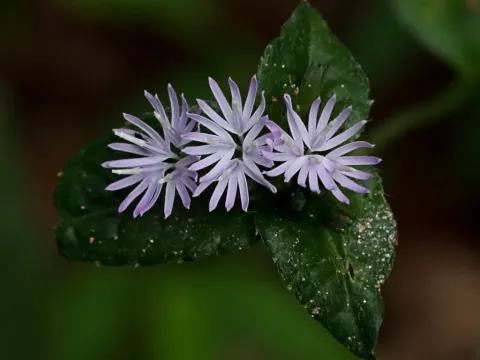
Elephantopus
Elephantopus
Elephantopus is a genus of perennial herbaceous plants belonging to the Asteraceae family, widely known for their distinct basal leaf rosettes. The name, derived from Greek, literally translates to "elephant's foot," reflecting the appearance of the foliage.
What the section contains

Elephantopus
The genus originates from tropical and subtropical regions across the Americas, Africa, and Asia, where it typically colonizes open grasslands, forest margins, and disturbed areas. It thrives in climates with consistent warmth and humidity.
Successful cultivation requires well-drained, fertile soil, ideally sandy or silty loams with a neutral to slightly acidic pH level. Proper drainage is the most critical factor, as stagnant water is detrimental to the plant's root health.
In terms of light exposure, the plant prefers bright, indirect sunlight or light shade, which mimics its natural habitat under the forest canopy. Overexposure to intense heat may require irrigation adjustments to prevent wilting.
The economic value of Elephantopus is primarily centered on the pharmaceutical industry. The plant is utilized for its potential medicinal properties, particularly the production of bioactive sesquiterpene lactones used in traditional and modern research.
The most significant threats to Elephantopus crops include fungal infections such as powdery mildew and various root rot pathogens, which thrive in high-humidity and poorly drained soil environments.
Insects like aphids and spider mites are common pests that feed on the soft tissue of the leaves, potentially vectoring viruses and weakening the plant's overall vigor.
To maintain plant health, it is essential to implement a strict sanitation program, including the removal of infected plant debris and the use of disease-free propagation material.
Regular monitoring of the field allows for early detection of pest populations, enabling the application of targeted biological control measures instead of broad-spectrum chemicals.
Managing the weed population is crucial to reduce competition and prevent the spread of diseases, ensuring that the crop achieves its maximum medicinal yield potential.