
Blue sow thistle
Cicerbita macrophylla
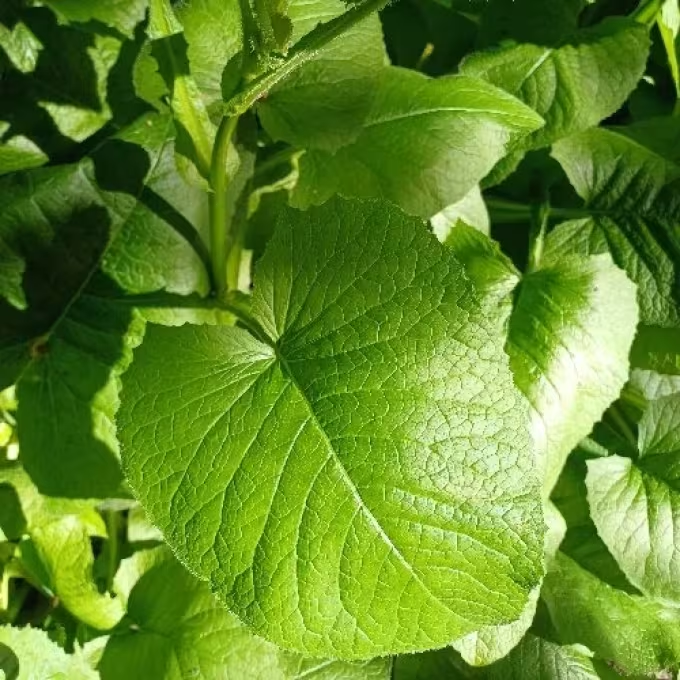
Description
Sowing dates
Blue sow thistle is a perennial herbaceous plant belonging to the Asteraceae family, known for its robustness and adaptability to various soil types.
Sowing should ideally take place in early spring or autumn, with seeds requiring a stratification process of 4–6 weeks to ensure optimal germination rates.
Seeds should be sown at a shallow depth of 1–2 cm, as they require light for successful emergence and development of the initial rosette leaf stage.
Proper spacing is essential for this crop, with rows typically spaced 50 cm apart to allow for vigorous root growth and optimal air circulation between mature plants.
Initial weed control is vital during the establishment phase, as the young plants grow relatively slowly compared to common agricultural weeds.
Growing requirements
This species thrives in rich, moist, and loamy soils with a neutral or slightly acidic pH, preferring areas with moderate fertility and high organic matter content.
Although it is shade-tolerant, the plant achieves its highest biomass production when grown in areas with partial sun or filtered light throughout the growing season.
Water management is crucial; while the plant is hardy, it requires consistent moisture to maintain succulent leaf growth and avoid early flowering or wilting.
The blue sow thistle is highly frost-hardy and can withstand severe winter conditions, making it suitable for cultivation in colder climates where other crops might fail.
Site selection should avoid waterlogged areas, as stagnant water can lead to root rot and significant yield loss over the multi-year production cycle.
Yield
As a forage crop, blue sow thistle is prized for its early spring green-up, providing high-quality feed early in the season when other pastures are not yet ready.
Well-maintained plantations can produce multiple cuts per season, with total yields reaching impressive amounts of fresh biomass per hectare annually.
The nutritional profile is excellent, featuring high protein content and essential minerals, which are highly beneficial for ruminant livestock nutrition.
Beyond its use as fodder, the plant is a prolific nectar producer, acting as a valuable honey crop that supports local pollinator populations in agricultural settings.
With a lifespan of over ten years, the crop provides consistent productivity, reducing the costs associated with frequent reseeding and soil disturbance.
Main diseases and pests
Powdery mildew is the most common fungal disease, especially in dense stands where air movement is restricted and humidity levels are consistently high.
Pests such as aphids can cause localized damage, particularly to the soft, developing leaves during the peak growth phases of the plant in late spring.
Slugs and snails can be problematic for young seedlings, necessitating careful monitoring and preventative measures in fields prone to damp conditions.
Excessive application of nitrogenous fertilizers can lead to weak cell structures, making the plants more susceptible to pest colonization and pathogen attack.
Integrated pest management, including regular mowing and maintaining adequate plant spacing, is the best approach for keeping the plantation healthy and productive.
Harvesting
For fodder purposes, the optimal harvest time is during the early budding stage before the plant begins to transition into the reproductive flowering phase.
Leaving a stubble height of at least 10 cm after each cut is crucial to promote rapid regrowth and ensure the longevity of the perennial root system.
Seed harvest requires careful timing; the seed heads should be collected once they turn brown but before they release seeds into the air via wind dispersal.
Post-harvest processing involves drying the biomass quickly in thin layers if making hay, as the broad leaves retain significant moisture content.
Cleaned seeds should be stored in cool, dry conditions to maintain viability, as the thin-coated seeds are sensitive to moisture and mold during long-term storage.