
Cicerbita racemosa
Cicerbita racemosa
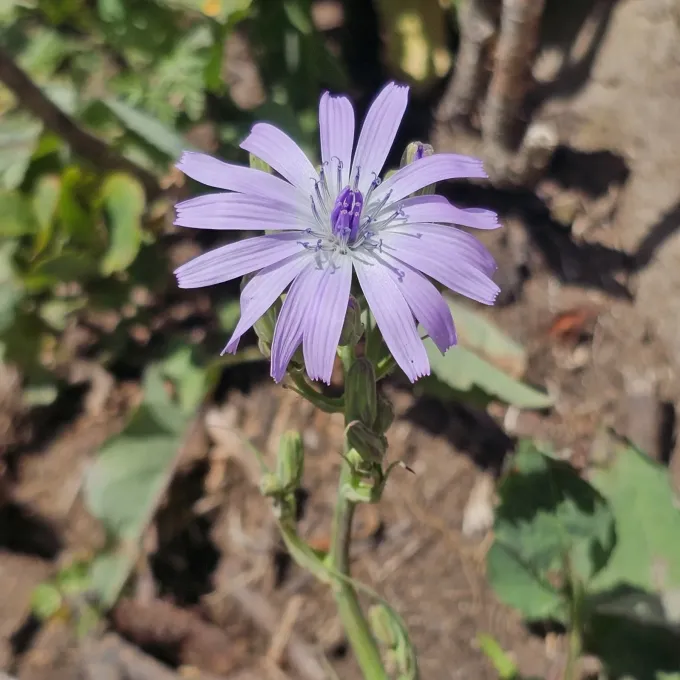
Description
Growing requirements
Cicerbita racemosa is a perennial herb belonging to the Asteraceae family. Known for its specific ecological niche, this species is increasingly studied for its agricultural potential in diverse temperate regions.
The plant originates from forest and mountainous regions, which dictates its preference for shaded or semi-shaded environments with high organic matter content in the soil. It thrives in well-drained, fertile loams that maintain consistent moisture levels throughout the growing season.
In terms of climatic adaptation, this crop shows excellent resilience to cold, making it a viable candidate for cultivation in cooler, high-altitude climates. It avoids extreme heat and direct intense sunlight, which can cause leaf chlorosis if not managed properly.
Successful production requires adequate preparation of the soil, ensuring that pH levels remain slightly acidic to neutral. Regular soil testing is recommended to monitor the availability of phosphorus and potassium, which are crucial for perennial biomass development.
The agricultural usage of Cicerbita racemosa is primarily focused on its nutritional profile. As a perennial forage source, it provides valuable greenery early in the season, contributing to biodiversity within intensive or extensive agricultural systems.
Main diseases and pests
The primary pathogenic threat to this crop is powdery mildew, which spreads rapidly during periods of high humidity and stagnant air. Management strategies should prioritize spacing between plants to improve aeration.
Aphid infestations are a common pest issue, typically occurring on the undersides of leaves. These pests weaken the plant by extracting sap and may serve as vectors for secondary viral infections.
Root rot is a significant concern in fields that lack proper drainage. Once established in the root zone, pathogens can quickly cause irreversible damage, often leading to the loss of entire sections of the crop stand.
Slug and snail populations can cause severe damage during the establishment phase of the seedlings. Cultural controls, such as maintaining a clean field border, are generally sufficient to manage these populations effectively.
Integrated Pest Management (IPM) is essential for maintaining the health of Cicerbita racemosa stands. By utilizing beneficial insects and regular scouting, farmers can maintain productivity without relying heavily on chemical inputs.