
Blue sowthistle
Cicerbita plumieri
Description
Growing requirements
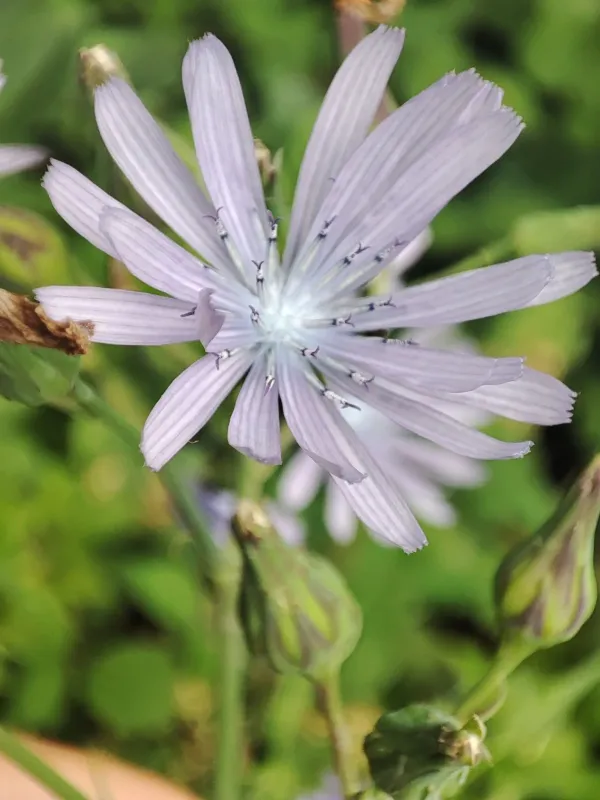
Cicerbita plumieri, commonly known as the blue sowthistle, is a perennial herbaceous plant belonging to the Asteraceae family. Originating from the mountainous regions of Europe, it is well-adapted to cooler climates and high-altitude meadow environments, which makes it an interesting crop for sustainable farming.
The plant thrives in fertile, loamy soils that possess a high content of organic matter. It prefers semi-shaded locations with consistent moisture levels, as excessive direct sunlight can cause the leaves to lose their tenderness and flavor during the peak of summer heat.
Regarding soil acidity, this species prefers neutral to slightly acidic conditions. Agricultural cultivation requires well-prepared beds with adequate drainage to prevent waterlogging, while maintaining a steady supply of nutrients to support the plant's vigorous vegetative development.
The blue sowthistle is appreciated for its edible leaves, which have a characteristic flavor. It is often harvested for culinary purposes, providing fresh greens early in the season when many other vegetables are just starting to emerge, making it a valuable addition to spring diets.
Proper cultivation involves spacing the plants sufficiently to ensure airflow and ease of maintenance. When given the right environment, the plant can establish itself as a long-lived perennial, providing multiple harvests over several years without the need for replanting.
Main diseases and pests
Slugs and snails are the most significant pests for Cicerbita plumieri, especially during wet springs when the tender young foliage is highly susceptible to damage. Mechanical barriers or copper tapes are effective ways to protect the crop in small-scale vegetable gardens.
Powdery mildew can affect the plants if they are grown in conditions with poor airflow or high humidity. Managing plant density and removing infected leaves immediately can help prevent the rapid spread of the fungus throughout the entire patch.
Aphids might occasionally infest the tender growth tips of the plant. Since the leaves are intended for consumption, it is recommended to use gentle control methods, such as insecticidal soaps or natural neem oil sprays, if necessary, to keep the population under control.
Root rot is a potential risk if the soil remains waterlogged for extended periods. Ensuring that the site has proper drainage is the most critical preventative measure against subterranean pathogens that target the root system.
Consistent monitoring and good general hygiene in the garden are essential for maintaining the health of the blue sowthistle. By keeping the area free of weeds and dead plant debris, growers can minimize the habitat for various pests and fungal spores.