
Cladanthus
Cladanthus
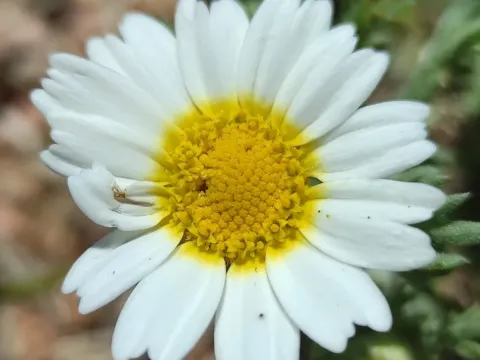
Cladanthus is a genus of annual plants belonging to the Asteraceae family, valued for its daisy-like flowers and fine, feathery foliage.
What the section contains


Cladanthus
For best results, seeds should be sown directly outdoors in late spring once all risk of frost has passed and the soil has warmed sufficiently.
Starting seeds indoors 6 to 8 weeks before the last frost date is also a viable option to ensure a longer flowering season throughout the summer.
The seeds require light to germinate, so they should be covered only very lightly with a thin layer of soil or vermiculite when sown in trays.
Transplanting should be done carefully once the seedlings have developed two sets of true leaves to avoid damaging the sensitive root system.
Cladanthus thrives in full sun exposure, requiring at least six to eight hours of direct sunlight per day to maintain its compact and floriferous growth habit.
The ideal soil for this plant is well-drained, sandy, or loamy soil with a neutral to slightly alkaline pH level to prevent fungal issues.
While the plant is moderately drought-tolerant, consistent watering is essential during the early establishment phase and during exceptionally dry spells.
Heavy, waterlogged soils must be avoided as they inhibit root respiration and often lead to various crown and root rots, which are fatal to the plant.
Moderate application of balanced fertilizers during the early growth stage promotes healthy branching, but excessive nitrogen should be avoided to prevent leggy growth.
The most common disease affecting Cladanthus is powdery mildew, which appears as white dusty spots on leaves, usually during periods of high humidity.
Root rot is a significant threat in areas with poor drainage, often caused by pathogens like Pythium or Phytophthora that thrive in saturated conditions.
Aphids can be a major nuisance, clustering on tender new growth and flower buds, and should be managed with manual removal or horticultural soaps.
Spider mites may also pose a problem during hot and dry summer days, leading to yellowing of foliage and premature decline of the plant's health.
Cultural control remains the best defense: proper spacing for airflow, careful irrigation habits, and regular removal of debris significantly reduce these threats.