
Cicerbita bourgaei
Cicerbita bourgaei
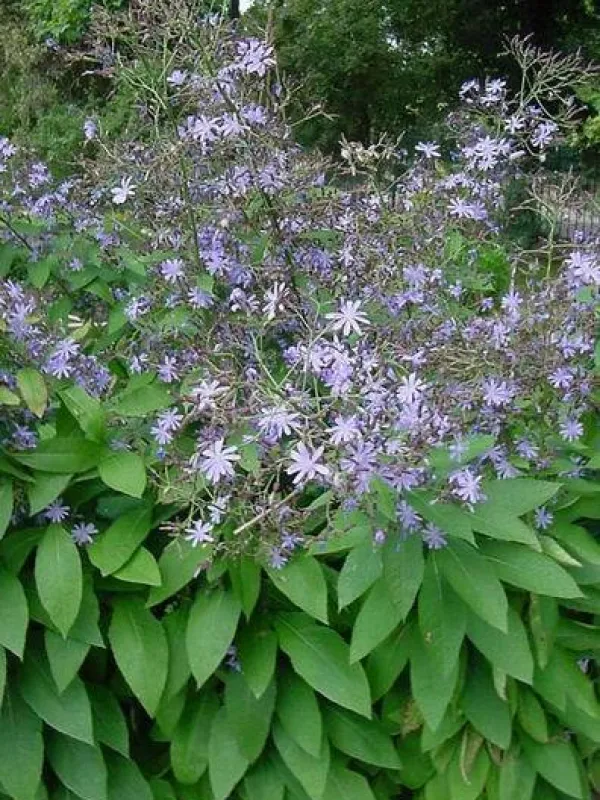
Description
Sowing dates
Cicerbita bourgaei is a perennial herbaceous plant belonging to the Asteraceae family. Originating from the mountainous regions of the Caucasus and adjacent areas, it has adapted to diverse climatic conditions. As a cultivated crop, it is valued for its hardiness and early spring growth, making it a sustainable choice for perennial gardens.
The propagation of this crop is primarily through seeds. Since the seeds may exhibit dormancy, they often require cold stratification to ensure uniform germination. Sowing is typically carried out in early spring or late autumn. If using a nursery approach, seeds are started in trays during late winter to transplant seedlings into the field once the threat of frost has passed.
Growing requirements
The plant thrives in fertile, well-draining loamy soils with a neutral to slightly acidic pH. While it is adaptable to various soil types, maintaining consistent soil moisture is critical for high-quality leaf production. It does not tolerate waterlogged conditions, which can lead to root diseases during the dormant or early growth periods.
One of the distinct advantages of Cicerbita bourgaei is its ability to grow in partial shade, where many other leafy greens fail to thrive. This makes it an excellent candidate for integration into permaculture systems or shaded garden borders. It is a robust grower that typically does not require extensive fertilization once established in nutrient-rich soil.
Harvesting
The primary agricultural use of Cicerbita bourgaei is the harvest of young, tender leaves and petioles. These are consumed as fresh greens, often used in salads due to their specific flavor profile that combines bitterness and earthy notes. Regular harvesting of the outer leaves encourages the plant to produce a continuous supply of fresh foliage throughout the growing season.