
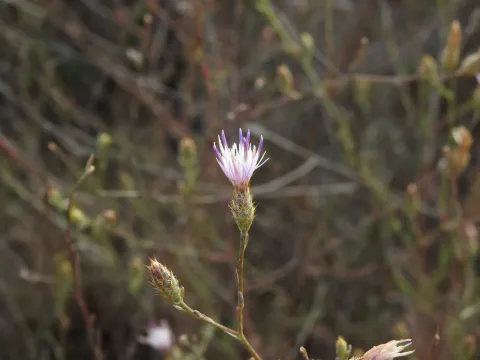
Cordoba knapweed
Centaurea cordubensis
Cordoba knapweed (Centaurea cordubensis) is a herbaceous plant species belonging to the Asteraceae family. It is native to the Iberian Peninsula, specifically adapted to the Mediterranean climate conditions found in the southern parts of Spain.
What the section contains
Cordoba knapweed
The plant thrives in well-drained, calcareous soils. Its physiological structure is highly specialized for arid environments, demonstrating exceptional drought resistance due to a deep root system and protective leaf adaptations.
Optimal growth requires full sun exposure throughout the growing season. In cultivation, it is essential to avoid poorly drained areas, as the species is highly susceptible to root damage caused by waterlogging during the cooler months.
Agronomic management should prioritize low-input strategies. Excessive fertilization, particularly with nitrates, can reduce the plant's resilience and alter its natural growth cycle, leading to weaker stems and susceptibility to stress.
Soil pH should ideally be neutral or slightly alkaline. In a farm setting, maintaining the natural soil structure and avoiding aggressive tillage helps preserve the symbiotic microbial life that benefits the plant's development.
Fungal pathogens represent the primary biological threat, especially in conditions where air circulation is poor. Pathogens such as powdery mildew can quickly spread across the canopy if humidity levels remain high for extended periods.
Aphids are the most frequent insect pests observed on Centaurea cordubensis. They primarily target the tender growing tips, sucking sap and acting as vectors for secondary viral infections that can stunt plant growth.
Weed competition during the early establishment phase is a critical issue. Growers must employ mechanical weeding techniques to ensure the knapweed receives adequate water and nutrient access without interference from more aggressive weeds.
Curculionidae, or weevils, pose a risk to the development of flower heads, potentially limiting seed set. Integrated pest management strategies are essential to mitigate these impacts without using harsh synthetic chemicals.
Habitat loss and fragmentation are significant external threats. For conservation and specialized cultivation, maintaining genetic diversity is key to ensuring that the species can withstand environmental pressures and localized outbreaks.