
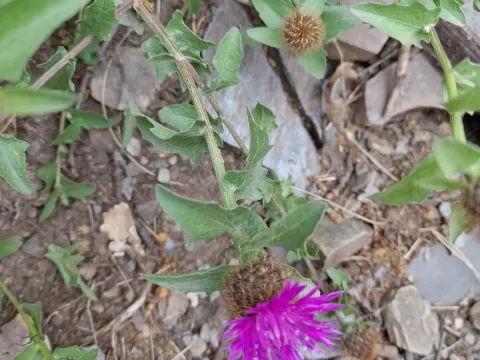
Comb knapweed
Centaurea pectinata
Comb knapweed (Centaurea pectinata) is a herbaceous perennial member of the Asteraceae family. This species originates from the dry, rocky slopes and steppe regions of Europe, where it has adapted to harsh environmental conditions.
What the section contains
Comb knapweed
The plant thrives in well-drained, sandy or gravelly soils with a neutral to slightly alkaline pH. Drainage is the most critical factor for successful cultivation, as the species is highly susceptible to root damage caused by waterlogged soils during the dormant season.
As a light-loving plant, it requires full sun exposure to maintain its compact growth habit and vibrant flower production. In shaded environments, the plant tends to become leggy and loses its characteristic aesthetic appeal, which is vital for its utility in landscaping.
Botanically, it is defined by its deeply pinnatifid leaves, which have comb-like segments, and its distinct flower heads. The plant is well-adapted to arid climates, demonstrating significant drought tolerance once established in the ground.
Agricultural management is relatively low-maintenance, requiring basic weeding and soil aeration during the early spring. It is a hardy perennial, typically capable of surviving cold winters without special protection, provided the soil remains free-draining.
The primary threats to Comb knapweed include fungal pathogens such as powdery mildew, which often flourish in conditions of high humidity or poor air circulation. Proper spacing between individual plants is essential to mitigate these risks.
Root rot is the most serious threat, occurring almost exclusively when the plant is grown in heavy, poorly drained soil. If the roots are left in wet soil for extended periods, the plant's health declines rapidly, leading to inevitable mortality.
Pests such as aphids can cause damage during the active growing season, particularly by attacking the flower buds and tender stems. Monitoring the undersides of the leaves is a recommended practice to detect early infestations before they spread.
Weed competition can hinder the growth of young plants; therefore, maintaining clean beds is necessary until the plant establishes a strong root system. Once mature, its dense growth helps to suppress surrounding weeds effectively.
Integrated pest management strategies should be prioritized, focusing on cultural practices before relying on chemical inputs. Protecting the pollinator population is essential, as these insects play a crucial role in the lifecycle of the knapweed species.