
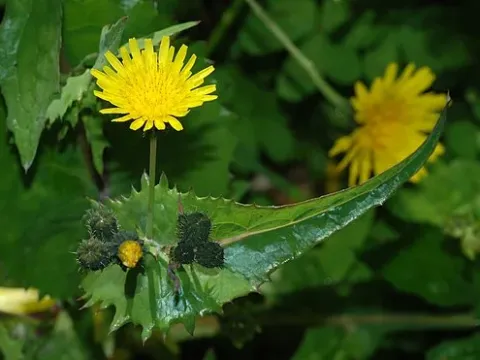
Cork sowthistle
Sonchus suberosus
Cork sowthistle, botanically known as Sonchus suberosus, belongs to the Asteraceae family. This perennial plant is characterized by a robust root system that features a distinct cork-like outer layer, which provides the plant with superior survival capabilities in varied soil environments.
What the section contains
Cork sowthistle
The germination phase typically begins in early spring when soil temperatures reach stable levels. For optimal development, seeds require light covering, as they are relatively small and rely on precise placement to ensure adequate moisture absorption during the critical initial growth stages.
Vegetative propagation is a hallmark of this species, allowing it to spread rapidly through underground rhizomes. Agricultural management of this plant requires careful attention to the root structure, as fragmented roots can often generate new shoots if not handled or managed with appropriate technical timing.
During the developmental cycle, the plant forms a basal rosette before initiating rapid stem elongation. This transition is highly dependent on photoperiod, meaning that light intensity and day length play significant roles in determining the biomass yield and reproductive success of the plant.
Timing of field operations is crucial for maintaining the desired density of the stand. By managing the growth during the early rosette stage, growers can effectively influence the plant's final structure and ensure that the root development is confined to the intended zones within the field.
Cork sowthistle performs best in fertile, loamy soils that provide good aeration and drainage. While it can adapt to diverse textures, excessive soil compaction is a limiting factor for root penetration and should be avoided to promote healthy plant architecture and consistent growth rates.
The ideal climatic conditions for this species involve moderate temperatures and sufficient light exposure. It thrives in open field environments where competition for sunlight is minimal, as it lacks the physiological traits required to perform well under dense shade conditions for extended periods.
Moisture requirements are moderate but must be consistent. Although the species possesses some drought-adaptive features, periodic irrigation during prolonged dry spells is beneficial for maintaining turgor pressure and promoting optimal rates of photosynthesis throughout the vegetative season.
Nutrient management should focus on a balanced NPK ratio, with an emphasis on potassium. Potassium plays a vital role in thickening cell walls and supporting the development of the characteristic corky layer on the root system, which is essential for the plant's overall durability and health.
Regarding soil pH, the plant prefers neutral to slightly alkaline conditions. Maintaining these levels ensures the bioavailability of essential micronutrients, preventing common physiological deficiencies that could otherwise hinder the development of healthy leaf tissue and root biomass.
The primary fungal threats to cork sowthistle include powdery mildew and rust infections, which are particularly prevalent during periods of high humidity. These pathogens damage the foliage, reducing the photosynthetic efficiency and slowing the plant's overall growth potential.
Insect pests such as aphids and certain leaf-feeding beetles pose a continuous risk to young growth. These pests not only inflict direct physical damage but also serve as potential vectors for various viral diseases that can significantly stunt the growth of the entire plant population.
Below-ground, the plant is susceptible to various nematodes that can target the root system. Infestations often lead to nutrient deficiency symptoms, as the compromised roots cannot efficiently absorb water and minerals from the surrounding soil matrix, resulting in weakened plant health.
Integrated pest management strategies are recommended to mitigate these risks effectively. Utilizing biological control agents, such as beneficial insects or microbial inoculants, helps maintain a balanced ecosystem without the negative impacts often associated with heavy synthetic pesticide application.
Crop rotation remains the most effective prophylactic measure against the buildup of species-specific soil pathogens. By alternating with non-host crops, growers can break the life cycles of most common pests and diseases, thereby ensuring the long-term productivity and health of the agricultural plot.