
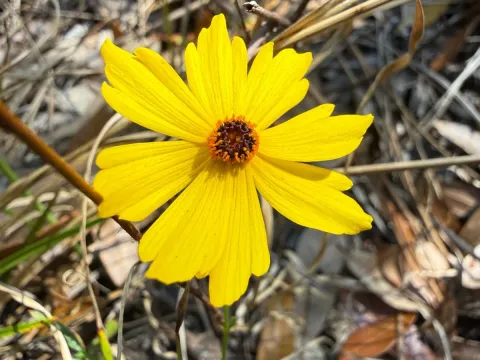
Coreopsis leavenworthii
Coreopsis leavenworthii
Sowing Coreopsis leavenworthii seeds is best performed in early spring after the threat of frost has passed. Direct seeding is preferred in regions with a long growing season to allow for natural establishment.
What the section contains
Coreopsis leavenworthii
The seeds require light to germinate, so they should be sown on the surface of the soil or covered only with a very thin layer of vermiculite. Maintaining consistent surface moisture is critical during the first two weeks.
For greenhouse cultivation, use a lightweight, well-draining potting mix. Sow seeds in starter trays and keep them in a bright location with temperatures consistently between 20-22 degrees Celsius.
Transplanting seedlings to the garden should be done carefully to avoid damaging the delicate root system. It is advised to harden off the seedlings for at least a week before planting them outdoors.
Planting density should be managed to ensure adequate spacing, typically 30 to 45 centimeters apart, which promotes better air circulation and reduces the risk of fungal infections.
Coreopsis leavenworthii belongs to the Asteraceae family and is native to the southeastern United States, particularly Florida. It is frequently found in moist prairies, flatwoods, and along the edges of wetlands.
Unlike many other tickseed species that prefer dry soils, this plant thrives in moist to wet soil conditions. It is an excellent candidate for rain gardens or areas with poor drainage where other ornamentals might fail.
The plant requires full sun exposure to maintain its compact habit and produce a profusion of bright yellow flowers. Partial shade will often result in leggy plants with reduced bloom production.
Soil requirements include a moderate level of organic matter, although the plant is fairly adaptable to various soil types, ranging from sandy loam to slightly acidic heavy soils.
Watering should be consistent throughout the growing season. While the species is adapted to moist habitats, it still appreciates occasional drying of the topsoil to prevent excessive root stress.
Like many species in the Asteraceae family, Coreopsis leavenworthii can be susceptible to powdery mildew when grown in humid, stagnant air conditions. Improving spacing and airflow is the primary cultural control measure.
Aphids can be a common pest, particularly during the spring bloom cycle. They tend to cluster around the flower buds, potentially stunting the development of the blossoms if left uncontrolled.
Root rot is the most significant threat if the plants are grown in containers with poor drainage or in waterlogged conditions that never dry out. Signs include wilting despite moist soil conditions.
Leaf spots caused by fungal pathogens can appear during rainy periods. Infected foliage should be promptly removed and disposed of to prevent the spread of spores throughout the planting site.
Monitoring for spider mites is recommended during hot, dry summer months. Using a strong spray of water or appropriate miticides can effectively manage populations before they cause significant leaf damage.