
Coreopsis major
Coreopsis major
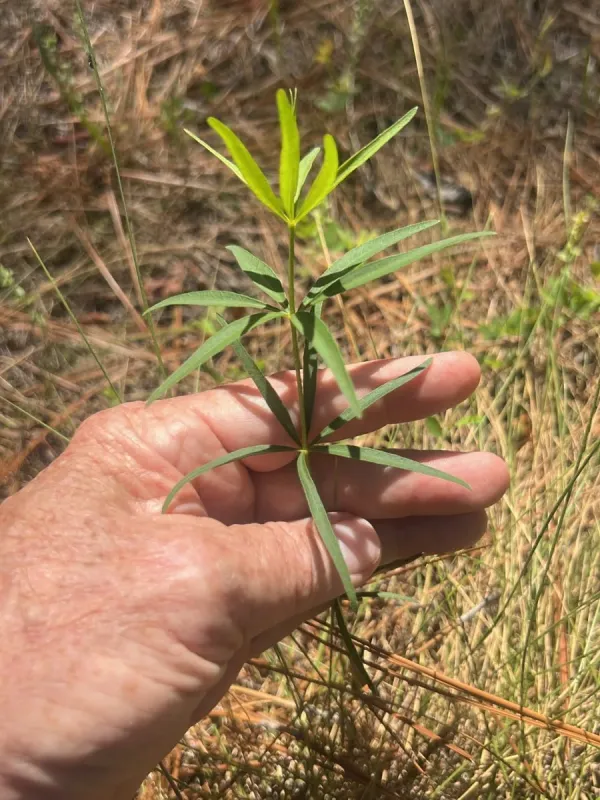
Description
Sowing dates
Coreopsis major, commonly known as Greater Tickseed, is a perennial herbaceous plant belonging to the Asteraceae family. It is native to the southeastern United States and is well-adapted to various soil conditions found in temperate climates.
The plant is typically propagated by seeds or division. When growing from seeds, they should be sown in early spring after the threat of frost has passed, ensuring they are placed on the soil surface as they require light to germinate.
If starting seeds indoors, sowing should occur 6–8 weeks before the intended outdoor transplant date. Using a seed-starting mix and maintaining consistent moisture levels will ensure successful germination within 2 to 3 weeks.
For vegetative propagation, dividing established clumps is the most efficient method. This process is best performed in the early spring or late autumn when the plant is not in its active growth phase, ensuring a robust root system for each division.
When planting in the garden, spacing is critical for long-term health. Plants should be placed approximately 35–40 centimeters apart to allow for airflow and prevent the development of common foliage diseases caused by overcrowding.
Growing requirements
Coreopsis major thrives in full sun exposure. It is a highly photophilic plant; therefore, it should be planted in areas receiving at least 6 to 8 hours of direct sunlight daily to ensure strong stems and abundant flowering.
The plant is remarkably adaptable to various soil types, ranging from sandy to clay-loam, provided the soil is well-drained. It does not tolerate "wet feet" and prefers soil with a neutral to slightly acidic pH level.
This species is well-known for its drought tolerance once established. Minimal irrigation is required, as the plant is evolved to withstand dry spells, making it an excellent choice for low-maintenance landscapes.
Fertilization should be handled with care. Excess nitrogen often leads to excessive leaf growth at the expense of flower production, so a balanced, low-concentration fertilizer applied only once in early spring is usually sufficient.
While hardy, Coreopsis major benefits from a layer of mulch during the first winter to protect the crown from extreme temperature fluctuations. In mild regions, the plant remains partially evergreen, but in colder zones, it will die back completely.
Main diseases and pests
The most common health issues for Coreopsis major are related to fungal pathogens, particularly powdery mildew. This typically manifests as a white, dusty layer on the leaves, usually triggered by high humidity or poor airflow.
To mitigate fungal threats, ensure that the plant has adequate space and is not crowded by taller vegetation. Avoid overhead watering, as water sitting on leaves creates the perfect environment for fungus to thrive.
Pests such as aphids and spider mites can occasionally affect the plant. These insects feed on the sap of tender new growth, potentially causing stunted development and distorted leaves if left unchecked.
Management of these pests can often be achieved through regular monitoring and the use of natural predators or soft insecticides like insecticidal soaps. Early detection is key to preventing widespread infestations in a garden setting.
Overall, Coreopsis major is a relatively robust and disease-resistant plant. By maintaining a clean environment and ensuring proper drainage, growers can keep their plantings healthy and productive for many seasons without chemical intervention.
Harvesting
The primary use of Coreopsis major is as an ornamental plant in perennial borders, meadow gardens, and native plant restoration projects. Its bright yellow flowers offer significant aesthetic value throughout the summer months.
To maximize the flowering season, gardeners should practice "deadheading"—the removal of spent blossoms. This simple technique prevents seed formation and encourages the plant to allocate its energy toward producing new flower buds.
When used as a cut flower, stems should be harvested when the flowers are about halfway open. Placing them immediately into a clean vase with water will help them maintain their freshness for 5 to 7 days.
Maintenance at the end of the season involves cutting the foliage back to just a few centimeters above the ground. This cleaning process helps manage the plant's growth habit and prepares it for a healthy spring regrowth.
For those interested in seed saving, allow the last blooms of the season to mature and dry on the stem. Collect the heads once they turn brown, dry them thoroughly, and store the seeds in a cool, dark environment for the following year.