
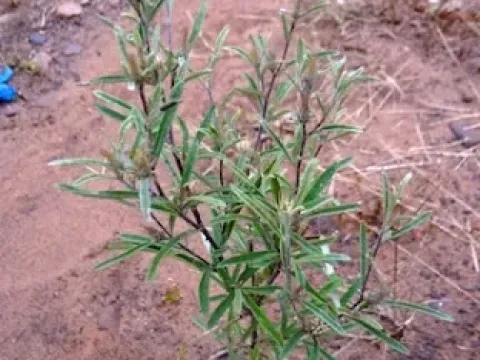
Conyza stricta
Conyza stricta
Conyza stricta is an annual herbaceous plant belonging to the Asteraceae family. While often categorized as a weed in agricultural settings, the plant holds potential interest in pharmacological research due to its secondary metabolites.
What the section contains
Conyza stricta
The plant originates from diverse regions in Asia, typically found in open, sun-exposed habitats. Its adaptability to varying light conditions makes it a resilient species that thrives in disturbed areas with minimal competition for sunlight.
The soil requirements for Conyza stricta include well-drained, sandy or loamy soils. It avoids heavy, waterlogged clay soils, which inhibit root development and promote the onset of fungal diseases due to poor aeration.
Climate preferences involve high thermal accumulation, requiring warm conditions with temperatures consistently between +20°C and +30°C. It is a frost-sensitive plant, necessitating a full warm season to complete its life cycle from germination to seed maturation.
Agricultural management requires shallow sowing practices. Since the seeds are extremely small, they should be barely covered with soil, often requiring only slight pressure or light raking to ensure proper soil-to-seed contact and effective germination.
Aphids and spider mites are the primary pests affecting this species. These insects proliferate during dry, hot weather, feeding on plant sap and potentially weakening the overall structure of the crop if left unmanaged.
Fungal pathogens such as powdery mildew represent the most significant threat to plant health. High humidity coupled with insufficient air circulation among the plants creates ideal conditions for these diseases to spread rapidly.
Root rot is a critical risk factor, particularly in fields with poor drainage. Once roots are compromised, the plant shows signs of wilting and stunted growth, often leading to rapid mortality if soil moisture is not corrected.
Integrated pest management (IPM) is recommended to control populations of harmful insects. This includes the use of predatory beneficial insects and, when necessary, targeted applications of organic-based pesticides.
Sanitation practices are essential for disease prevention. Clearing away debris after the harvest phase prevents the buildup of pathogens in the soil, which helps to maintain a healthier environment for subsequent planting cycles.