


Reference · Crops
Coltsfoot
Tussilago
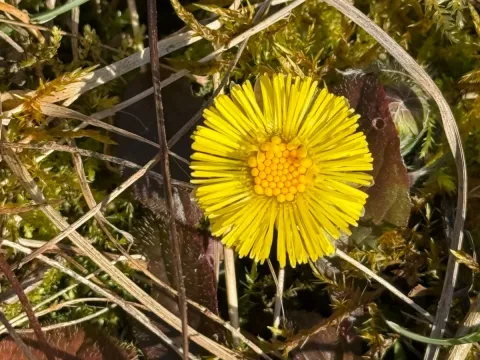
Coltsfoot (Tussilago farfara) is a perennial herbaceous plant belonging to the Asteraceae family. In agriculture, it is recognized as an early-spring ephemeral that completes its flowering cycle before the development of vegetative leaves.
1
items
What the section contains
Marketplace
Products in this section · 2

Coltsfoot
The plant is native to a broad range of Eurasian habitats, commonly colonizing disturbed soils, riverbanks, and slopes. Its ability to act as a pioneer species makes it highly resilient in various ecological niches, though it requires specific conditions for commercial cultivation.
Botanically, Coltsfoot is distinguished by a thick, creeping rhizome system located just below the soil surface. This underground structure supports the plant's rapid colonization of areas and ensures nutrient storage for early seasonal growth.
For optimal growth, the soil should be neutral or slightly alkaline. Coltsfoot thrives in loamy or sandy substrates but shows poor performance in acidic soils or areas with poor drainage, which can lead to root rot during dormant months.
Climatically, the species prefers temperate zones with cool springs. Its remarkable frost tolerance allows it to bloom as soon as the soil begins to thaw, making it a reliable early crop in regions with harsh winter transitions.
The most significant pathological threat to Coltsfoot is rust disease. This fungal infection manifests as spots on the leaves and is particularly aggressive in humid, poorly ventilated areas where moisture remains on the foliage for extended periods.
Aphids represent the primary insect pest, often clustering on the undersides of leaves during dry spells. These pests sap nutrients from the plant, which can reduce the secondary metabolite content crucial for the herb's medicinal value.
Weed management requires careful attention because the shallow root system is easily damaged by standard tractor-mounted cultivation tools. Manual weeding or the use of organic mulch is recommended to protect the crop's vitality.
Disease prevention is best achieved through adequate row spacing, ensuring that there is sufficient airflow to dry leaves after rain. Maintaining proper crop hygiene is essential to prevent the spread of soil-borne pathogens.
Regular field inspection is vital, especially during transition months. Identifying the initial signs of leaf spots early allows for timely cultural interventions without the need for intensive chemical applications.
Coltsfoot is primarily grown for the pharmaceutical industry, where its leaves and flowers are highly valued for their mucilage and bitter content. The harvest is strictly timed to capture the peak concentration of these medicinal compounds.
Flower harvest takes place early in the spring. It is critical to pick the buds when they are fully open but before they start producing fluffy seeds, which can reduce the purity and market grade of the final product.
Leaf harvesting occurs in the late spring or early summer once the leaves are fully mature. The distinguishing characteristic for harvestable leaves is the bright green, smooth upper surface combined with a dense, white-tomentose lower surface.
Post-harvest processing involves rapid drying in shaded, airy conditions or in controlled-temperature dehydration units. Temperatures must be kept below 45 degrees Celsius to prevent the degradation of heat-sensitive chemical constituents.
The dried product should be stored in moisture-proof containers in cool, dark environments. When stored correctly, the crop maintains its stability and therapeutic efficacy for up to three years, fitting the standard requirements for medicinal herb trade.