
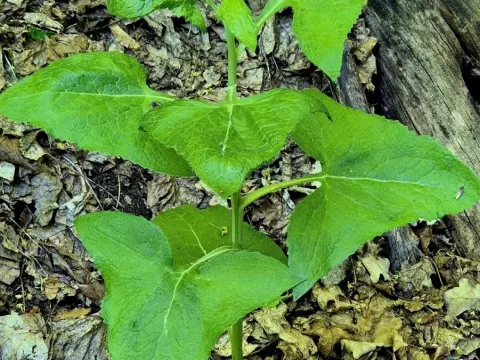
Cacalia hastata
Cacalia hastata
Cacalia hastata, commonly known as Siberian Indian plant, is a perennial herbaceous species belonging to the Asteraceae family. It is recognized for its unique hastate leaves and its historical significance in traditional herbal practices.
What the section contains
Cacalia hastata
Propagation is primarily achieved through seeds. For successful germination, seeds require a period of cold stratification; therefore, autumn sowing in prepared beds is the most recommended method to mimic natural environmental cycles.
When sowing in spring, seeds must be kept at low temperatures (around 4°C) for several weeks prior to planting. This process helps to overcome seed dormancy and ensures a higher rate of emergence in the greenhouse or field.
Seeds should be sown at a shallow depth of approximately 1-2 centimeters. Ensuring proper spacing is crucial; row intervals of at least 50 centimeters provide adequate space for the plant to spread its foliage as it matures.
Initial weed control is essential during the seedling stage. Once the plants reach the four-leaf stage, they become more robust, but consistent thinning is still required to maintain an optimal density of the crop stands.
Cacalia hastata thrives in semi-shaded environments, making it an ideal choice for forest-fringe cultivation or areas with light canopy cover. Excessive direct sunlight can cause leaf dehydration and stress the plant.
The ideal soil is rich in organic matter, loose, and slightly acidic to neutral. High-humus content is critical for steady nutrient supply, and amending the soil with well-rotted compost before planting is highly beneficial.
Consistent soil moisture is a key factor for healthy growth. While the plant requires regular watering, it cannot tolerate waterlogged conditions, which can lead to root diseases. Efficient drainage is a prerequisite.
The plant is highly cold-hardy, typically surviving harsh winters without special protection if the soil is covered by snow. However, in regions without reliable snow cover, a layer of mulch will help protect the crown.
Fertilization should be handled carefully. Excessive nitrogen can promote fast but weak stem growth, making the plant susceptible to lodging and pests. Balanced organic fertilizing is preferred over heavy synthetic doses.
The commercial yield of Cacalia hastata is calculated by the biomass of leaves and stems harvested. The plant reaches its maximum vegetative productivity around its third year of established growth.
Regular harvests can be managed by cutting the stems early in the growing season, which encourages secondary regrowth. This practice can increase the total seasonal biomass yield significantly for commercial producers.
Root harvesting is a long-term investment, typically undertaken every 4 to 5 years. By this time, the root system has reached sufficient maturity to contain the desired levels of active medicinal compounds.
Yield stability depends heavily on the consistency of site conditions, particularly moisture levels. Proper management of the planting density ensures that each individual plant has sufficient light and root-space for development.
In optimal conditions, producers can expect consistent annual yields that support sustainable harvesting. Maintaining the vitality of the parent plant through moderate cutting ensures continuous production over several years.
The most significant threats to Cacalia hastata are fungal pathogens, specifically those that thrive in high humidity. Powdery mildew and leaf spot diseases are common, especially in crowded or poorly ventilated stands.
Gastropods, such as slugs and snails, represent a persistent threat by feeding on the foliage. Protecting the crops with physical barriers or biological controls is necessary to keep the harvestable parts intact.
Aphid infestations may occur during the budding phase. These insects not only stress the plant but can also transmit viral diseases, which are difficult to manage once established in a plantation field.
Root rot is usually a sign of poor drainage. It is critical to monitor for signs of stunted growth or chlorosis in the lower leaves, which indicate that the root zone is being impacted by standing water or anaerobic conditions.
Good agricultural practices, such as crop rotation and the prompt removal of crop debris after harvest, significantly reduce the buildup of pathogens in the soil, ensuring long-term health for the plantation.
Harvesting for leaf material is best performed during the early budding stage before the flowers open. This timing is essential to ensure the highest concentration of phytochemicals in the harvested tissues.
Plants should be cut with a sharp, sterile blade approximately 15 centimeters above the ground. This preserves the root crown and encourages the plant to regenerate for the next season's production.
Post-harvest handling is critical for quality. The material should be dried in a shaded, well-ventilated area to prevent degradation of the active components by excessive heat or direct sunlight.
Once dried, the product should be stored in opaque, moisture-resistant packaging. Proper labeling with the harvest date and site code is required for traceability and quality assurance protocols.
If harvesting roots, the operation should occur in late autumn when the plant enters dormancy. Clean the roots thoroughly, remove any damaged parts, and dry them quickly to prevent fungal growth during the storage phase.