
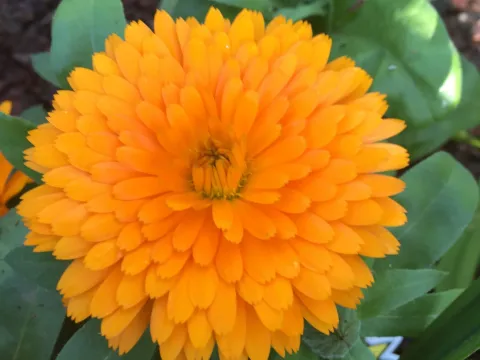
Calendula hybrids
Calendula hybrids
Calendula hybrids are hardy annuals that should be sown directly into the soil in early spring as soon as the ground reaches a temperature of 5-8 degrees Celsius.
What the section contains
Calendula hybrids
In regions with shorter growing seasons, starting seeds in greenhouses or cold frames 4-6 weeks before the last frost is recommended for earlier blooming.
Rows should be spaced approximately 45-60 centimeters apart to ensure adequate airflow and provide enough room for maintenance and harvesting equipment.
Seeds require a planting depth of 2-3 centimeters and need constant soil moisture during the germination phase to ensure a high percentage of emergence.
Successional sowing every two to three weeks is a practical strategy to maintain continuous flower production throughout the entire growing season.
As a member of the Asteraceae family, the plant thrives in full sun and requires well-drained, nutrient-rich loamy soil to achieve optimal growth.
Calendula is sensitive to soil pH and performs best in neutral to slightly alkaline soils, as acidic conditions can stunt the development of the hybrid varieties.
Consistent moisture is essential, particularly during the vegetative growth phase; however, waterlogging should be avoided to prevent root rot issues.
The ideal temperature range for active development is between 18 and 25 degrees Celsius, allowing the plants to produce high-quality, vibrant blooms.
Balanced fertilization, particularly during the budding stage, significantly enhances flower size and the concentration of essential active compounds.
The yield of Calendula hybrids is largely dependent on the frequency of flower collection, as regular harvesting triggers the production of new buds.
Under professional management, commercial yields can reach 10-15 centners per hectare of dried flower heads, which are highly valued in the pharmaceutical market.
Hybrid varieties often provide superior yields compared to standard species, offering more petals per flower and higher secondary metabolite content.
Weed control is a critical factor for achieving maximum yields, as competition from invasive species can significantly reduce flower size and count.
Proper plant spacing ensures each individual plant has sufficient resources to reach its genetic potential for flower production throughout the season.
Powdery mildew is the most common fungal challenge for Calendula, especially during periods of high humidity and wide temperature fluctuations.
Root rot and stem blight can occur if the soil remains excessively wet for long periods, highlighting the importance of proper site selection and drainage.
Aphids and capsid bugs are the primary pests that damage the developing buds, which can negatively affect the final quality of the harvested medicinal raw material.
Integrated Pest Management strategies, including the use of insecticidal soaps and biological control agents, are preferred to maintain crop purity.
Maintaining a strict crop rotation cycle is vital to break the life cycles of soil-borne pathogens and pests that affect the Asteraceae family.
The optimal harvest window occurs when the ray florets are horizontal and the central disk florets are starting to open but not yet fully expanded.
Harvesting must be performed during dry weather to prevent moisture buildup in the collected material, which can lead to rapid fermentation and decay.
Flowers should be transported to drying facilities immediately and spread in thin, even layers to allow for adequate air circulation during the drying process.
The drying temperature must be kept below 45 degrees Celsius to protect the integrity of the essential oils, natural pigments, and medicinal properties.
Once dried to a moisture content of approximately 10-12 percent, the product should be stored in opaque, airtight containers to maintain freshness.