
Calendula incana
Calendula incana
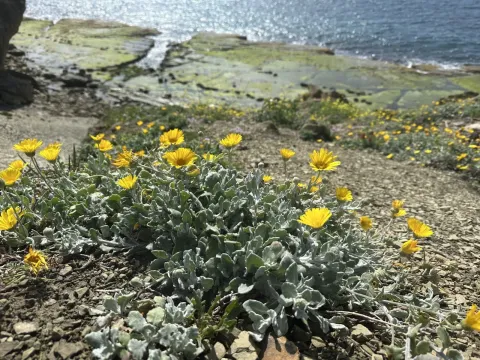
Calendula incana, commonly known as the grey marigold, is a perennial herbaceous plant belonging to the Asteraceae family. It is characterized by its distinctive grey, downy foliage that distinguishes it from the common pot marigold.
What the section contains
Calendula incana
The plant is native to the western Mediterranean, specifically found in regions of Spain and the Balearic Islands, where it thrives in rocky, arid, and sun-exposed environments.
In terms of climatic requirements, it is a heat-loving plant that prefers full sun exposure. It is highly drought-tolerant and requires very little supplemental irrigation once established.
The soil must be well-drained and alkaline in nature. Heavy, water-retaining soils are unsuitable and often lead to root decay, as the plant is adapted to nutrient-poor, limestone-based substrates.
Commercially, it is valued primarily in xeriscaping and rock gardens due to its aesthetic appeal and low-maintenance nature, fitting perfectly into sustainable gardening practices.
Sowing should take place in early spring once the danger of severe frost has passed and the soil has begun to warm up.
Seeds require a well-prepared seedbed; sow them at a depth of approximately 1 cm, ensuring that the soil remains light and airy to facilitate germination.
Cold stratification of the seeds for a few weeks prior to planting can help improve germination rates, as the species is adapted to natural winter cycles.
Adequate spacing is crucial to ensure that the grey foliage remains dry, as humidity trapped between dense plants can cause rotting.
Once the seedlings reach a height of 5–7 cm, they can be thinned to their final spacing to ensure each plant receives sufficient resources.
Harvesting of flowers is typically done throughout the blooming season, usually from late spring to early summer, depending on the local climate.
For seed collection, the flower heads should be allowed to mature on the stalk until they turn brown and begin to dry naturally.
Cut the flower stalks during the early morning hours, after the dew has evaporated but before the heat of the day reaches its peak.
Collected material should be dried in a shaded, well-ventilated area to preserve the essential oils and prevent mold growth.
Storage of the harvested seeds should be in paper bags in a cool, dark, and dry place to maintain viability for the following planting season.
Root rot is the most serious threat to Calendula incana, almost always resulting from poor drainage or excessive soil moisture.
Powdery mildew may occur if the plants are situated in areas with low air circulation and high humidity levels during the summer months.
Aphid infestations are common in the early stages of growth, which can be managed by manual removal or the application of insecticidal soaps.
Slugs and snails can also damage young seedlings, particularly if the planting site is close to damp areas or mulch that retains too much moisture.
Implementing a preventive integrated pest management strategy, including the avoidance of overhead irrigation, is essential for maintaining crop health.