
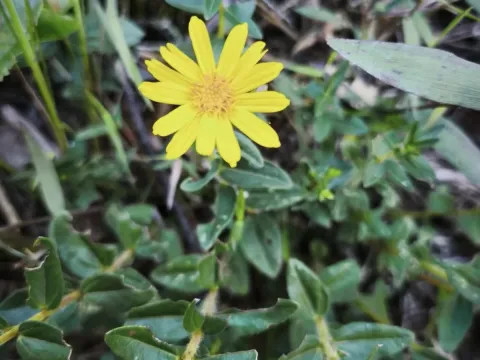
Calea
Calea
Calea is a genus of flowering plants belonging to the Asteraceae family. Known for its medicinal and botanical interest, the most studied species, Calea zacatechichi, is native to the tropical regions of Mexico and Central America, thriving in diverse habitats from scrublands to highland forests.
What the section contains


Calea
The plant requires a stable tropical or subtropical climate to reach its full development. It is highly sensitive to frost, necessitating cultivation in greenhouses or climate-controlled indoor environments when grown in regions outside its natural geographic range.
Soil requirements for Calea include a well-draining substrate, such as a mix of loam, sand, and organic matter. Maintaining a neutral soil pH is ideal for nutrient absorption. Compacted soil must be avoided at all costs, as it hinders root respiration and promotes the development of pathogenic fungi.
Regarding irrigation, Calea demands consistency. While the plant is moderately drought-tolerant once established, optimal growth occurs with regular watering that prevents the substrate from drying out completely. However, excessive water retention around the roots is a frequent cause of plant failure.
Propagation is typically performed via stem cuttings, which show a higher success rate compared to seeds. Providing high-quality lighting, ideally full spectrum or bright indirect sunlight, is essential for the physiological health of the plant throughout the growing season.
Common pests affecting Calea include greenhouse invaders such as whiteflies, aphids, and spider mites. These insects feed on the plant's sap and can significantly reduce the vitality of the crop if not managed promptly through integrated pest management strategies.
Fungal diseases like root rot and powdery mildew are prevalent in poorly ventilated greenhouses. Ensuring adequate airflow and avoiding overhead watering are critical cultural practices to maintain the health of Calea and prevent the spread of infectious diseases across the crop.