
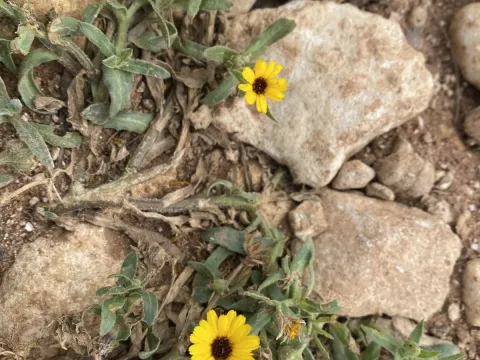
Calendula stellata
Calendula stellata
Calendula stellata, commonly known as the star marigold, is an annual flowering plant belonging to the Asteraceae family. It is distinct for its specific star-shaped fruit morphology.
What the section contains
Calendula stellata
Sowing should take place in early spring after the risk of frost has passed. Seeds are typically sown directly into prepared soil to avoid root disturbance, as the plant prefers not to be transplanted.
The planting depth should be approximately 1 to 2 centimeters. Maintaining a row spacing of 30-40 centimeters is essential for proper air circulation, which prevents fungal diseases later in the season.
Germination usually occurs within two weeks under favorable temperatures. Thinning should be performed once the plants develop their first true leaves to ensure each specimen has at least 20 centimeters of space.
This species is well-suited for both traditional flower beds and experimental agricultural plots due to its modest growth requirements and hardy nature.
Calendula stellata thrives in full sun exposure. While it can tolerate partial shade, maximum flowering intensity and plant vigor are achieved only in areas with unobstructed sunlight.
The plant is not overly demanding regarding soil fertility; however, it performs best in well-drained, sandy-loam soils with a neutral or slightly alkaline pH level.
Water requirements are moderate. The crop is known for its drought resistance once established, but supplemental irrigation during prolonged dry spells will improve flower yield significantly.
Soil structure should be loose to allow the taproot system to develop properly. Avoid planting in heavy, compacted soils that tend to become waterlogged during rainy periods.
No heavy fertilization is required; a light application of compost before sowing provides sufficient nutrients for the entire vegetative cycle of this annual plant.
Powdery mildew is the most prevalent disease, especially in regions with high humidity. It manifests as a white, dusty layer on leaves, hindering photosynthesis.
Aphids are the primary pests affecting this species. They cluster on terminal shoots and buds, often leading to stunted growth and the spread of viral pathogens.
Biological control methods, such as encouraging natural predators like ladybugs, can be highly effective in small-scale cultivation without the need for synthetic pesticides.
Root rot caused by stagnant water is a significant threat. Proper drainage and responsible irrigation management are the best preventative measures against this issue.
Regular monitoring of the planting site is recommended, especially during the peak of summer, to catch pest infestations before they become unmanageable.
For medicinal or herbal use, flowers should be harvested during the mid-morning hours once the dew has evaporated but before the sun is at its zenith.
Drying must occur in a dark, well-ventilated space to preserve the essential oils and color of the petals. High-quality drying prevents fermentation and mold growth.
Seed collection requires diligent observation. As soon as the star-shaped seeds begin to brown and harden, they should be gathered to prevent natural seed dispersal in the field.
The dried plant material should be stored in airtight containers away from heat and light to ensure maximum shelf life and potency of the bioactive compounds.
Beyond its botanical interest, Calendula stellata is utilized in landscaping for its distinct appearance and in small-scale herbalist practices for its therapeutic properties.