
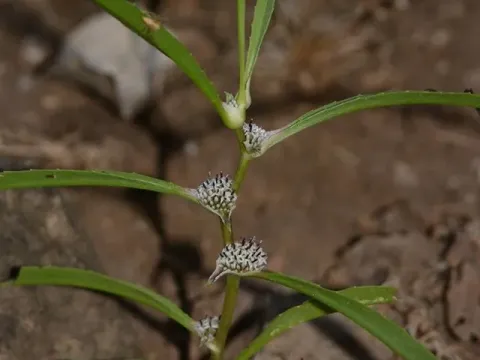
Caesulia
Caesulia
Caesulia is a thermophilic herbaceous plant that requires stable, warm temperatures for optimal seed germination. The best time for sowing is when soil temperatures consistently range between 20 and 25 degrees Celsius.
What the section contains

Caesulia
In its natural habitat, the plant often propagates through self-seeding at the onset of the rainy season, suggesting that high moisture levels are critical for the initial establishment of seedlings.
Density must be carefully managed according to the end-use objectives; higher densities are preferred for biomass production, while wider spacing is ideal for maximizing seed output.
Surface sowing is recommended as the seeds are quite small and germinate best with minimal soil cover, provided the soil surface remains consistently moist during the critical germination phase.
The total vegetative cycle ranges from 90 to 120 days, necessitating precise planting schedules to ensure that the flowering phase does not coincide with adverse seasonal transitions.
The plant is highly hygrophilous, thriving in waterlogged or high-moisture environments. It is well-suited for marshy areas or paddy field edges where other traditional crops might suffer from root decay.
Fertile loamy or alluvial soils with a neutral to slightly acidic pH are ideal for healthy growth. The plant demonstrates remarkable resilience to temporary waterlogging, which is a key agronomic advantage.
Adequate sunlight is essential for successful development. While it adapts to various light intensities, full exposure promotes robust stems and higher fertility in the floral parts of the plant.
Nutrient management should focus on balanced NPK applications, with an emphasis on nitrogen for vegetative growth and potassium to support the reproductive phases during the mid-season.
Protection from strong winds is recommended in open field conditions to prevent lodging, which can otherwise impede effective harvesting operations and reduce overall quality.
The biomass yield of Caesulia is significantly influenced by the stability of the moisture supply. Consistent hydration throughout the vegetative stage leads to maximum canopy development.
Seed productivity is generally high, making the crop economically viable for both fodder and potential technical oil or extract applications depending on specific cultivar varieties.
Yield stability is heavily dependent on effective weed control during the first month, as Caesulia is initially a slow starter and prone to competition from fast-growing field weeds.
Trial plots have shown that intensive management can lead to significant improvements in both quantity and quality of the harvest, provided the soil moisture is maintained.
Consistent agronomic practices, including the use of high-quality certified seeds, ensure predictable yield outcomes and facilitate easier post-harvest processing and marketing.
Fungal diseases, particularly those affecting the foliage, are the primary concern in humid environments. Leaf spots and powdery mildew can significantly reduce the photosynthetic surface area.
Insect pests, including aphids and various mite species, are known to colonize the plant. Regular monitoring is necessary to detect early infestations before they spread across the entire field.
Soil-borne nematodes can pose a long-term risk if proper crop rotation is not practiced. Moving the crop to different areas of the field helps manage the soil biological equilibrium.
Weed management is vital during the early weeks, as competitive flora can quickly outgrow the young Caesulia plants and limit their access to light and nutrients.
- Regular phytosanitary inspections.
- Application of bio-fungicides during high-humidity periods.
- Thorough removal of crop residues to reduce overwintering pathogens.
Harvesting is performed once the seeds reach physiological maturity and the heads darken. Timeliness is crucial to prevent shattering, as the seeds detach easily once dry.
For biomass usage, the crop should be mowed before flowering to ensure the highest nutritional content for fodder, as the fiber content increases significantly after anthesis.
Mechanical harvesting requires careful calibration of threshing speeds to prevent damaging the delicate seeds, which are susceptible to mechanical stress during processing.
Post-harvest drying is essential to reduce moisture content below critical levels, ensuring long-term stability and preventing the growth of molds or mycotoxin-producing fungi.
Storage should take place in ventilated, cool, and dry facilities. Maintaining these conditions is imperative for preserving seed viability and oil quality over extended periods.