
Butterbur
Petasites
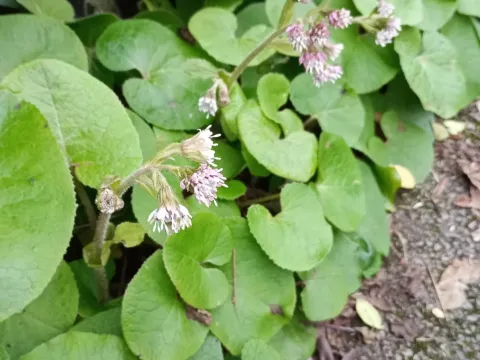
Butterbur (Petasites) is a genus of perennial herbaceous plants belonging to the Asteraceae family. It is widely recognized for its large, distinctive umbrella-shaped leaves and early blooming period before the leaves are fully developed.
What the section contains


Butterbur
The plant thrives in moist, fertile environments. Naturally, it prefers riparian zones, ditches, and damp woodlands, requiring soil that retains consistent moisture throughout the growing season to prevent leaf wilting.
In terms of light requirements, Butterbur is highly shade-tolerant. It is an excellent choice for areas with limited direct sunlight, where it forms dense colonies that act as effective ground cover.
Cultivation practices involve selecting a location that allows for vigorous rhizome expansion. Since the plant spreads quickly, growers often utilize root barriers to maintain control over the cultivation area and prevent invasive spread.
Beyond its botanical interest, Butterbur has significant commercial value in the pharmaceutical industry. The extracts from its roots and leaves contain compounds frequently used for their therapeutic effects in managing headaches and inflammatory conditions.
Common plant diseases include powdery mildew, which often manifests during dry, warm spells when airflow around the large leaves is restricted.
Slugs and snails are the primary pests that feed on the soft, succulent foliage, often causing significant aesthetic and functional damage to young plants.
Root rot can become a critical issue if the soil remains waterlogged without proper drainage, compromising the plant's ability to absorb nutrients.
Management of these threats is achieved through spacing the plants correctly to improve air circulation and regular field scouting.
Integrated pest management strategies are advised, particularly focusing on organic methods to ensure the quality of the harvested medicinal raw materials.