
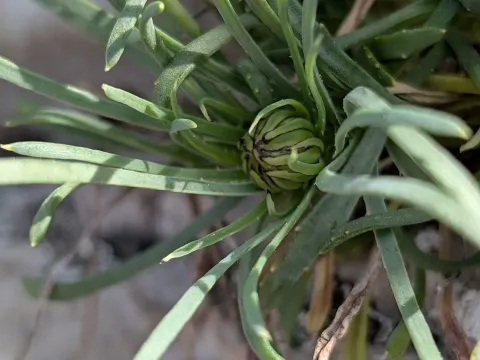
Burnat's Daisy
Leucanthemum burnatii
Burnat's Daisy seeds can be sown directly into the soil in early spring or during the fall season. Fall sowing allows the seeds to undergo natural stratification, which significantly improves the germination rate as temperatures rise in the following spring.
What the section contains
Burnat's Daisy
For container-grown seedlings, seeds should be sown in March using a light, well-draining potting mix. Keep the containers in a warm, bright environment, and mist the soil surface regularly to maintain the high humidity required for successful seed germination.
Prick out the seedlings once they develop their first set of true leaves. Carefully transplanting them into individual pots encourages a more robust root system, which is essential for the plants to thrive once they are moved to their permanent garden location.
When planting, ensure an spacing of 35-40 centimeters between individual plants. Adequate space is crucial for airflow, which reduces the humidity around the foliage and prevents the development of common fungal infections in the planting area.
Division of mature clumps is the recommended method to maintain the health and flowering potential of Burnat's Daisy. Divide the plants every 3 to 4 years during the spring, which helps to rejuvenate the perennial rootstock and produce vigorous new growth.
Burnat's Daisy (Leucanthemum burnatii) is a perennial herb belonging to the Asteraceae family. Originating from mountainous regions in Europe, it is well-adapted to cooler climates and demonstrates good tolerance to moderate cold weather conditions.
The plant thrives in full sun, requiring at least 6 to 8 hours of direct light daily to produce a dense display of flowers. Insufficient sunlight will cause the stems to become weak, lanky, and significantly reduce the overall quantity of blooms.
The soil must be fertile, loose, and possess excellent drainage characteristics. Like many other members of its genus, Burnat's Daisy does not tolerate waterlogged conditions, which can lead to crown rot, especially during the dormant winter months.
A neutral to slightly acidic pH is ideal for optimal development. Incorporating organic matter such as well-rotted compost into the planting hole will improve soil structure and provide necessary nutrients for the growing season.
Consistent moisture is required during the early stages of establishment. Once mature, the plant shows some resistance to short periods of drought, but deep watering during the peak of summer will sustain flower quality and plant health.
Powdery mildew is a frequent issue, presenting as a white, dusty layer on the foliage. To mitigate this risk, avoid overhead watering and ensure that the plants are not overcrowded, allowing for optimal air movement between the stems.
Rust infections can occur during wet and humid weather, showing as dark orange spots on the undersides of leaves. It is essential to promptly remove any infected leaves and apply appropriate fungicides if the infection begins to spread.
Aphids often target the tender developing buds and shoots. Monitoring the plants regularly allows for early detection, which can often be managed through natural predators or the application of mild insecticidal soaps if an infestation occurs.
Slugs and snails can cause significant damage to young shoots and leaves. Protecting the base of the plants with barriers or organic deterrents can prevent these pests from reaching the vulnerable parts of the daisy.
Root rot is typically caused by poor soil drainage. Choosing a site with gravelly or sandy loam and avoiding excessive mulch near the crown of the plant are vital strategies for ensuring the long-term survival of the crop.