
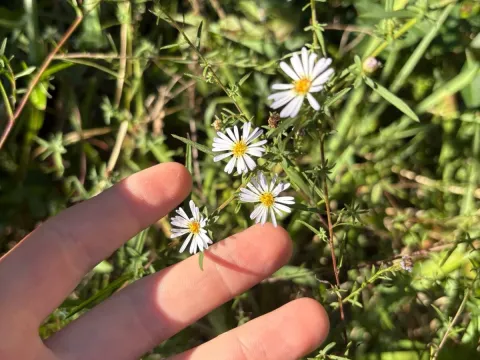
Bushy aster
Symphyotrichum dumosum
The Bushy aster is typically propagated through division of the root clump. This vegetative method is the most efficient way to maintain the specific cultivar's characteristics, including plant height and bloom color.
What the section contains
Bushy aster
Early spring is the ideal time for division, just as the new growth begins to emerge. This timing allows the plant to establish its root system fully before the stress of the summer heat.
Fall division is also possible, performed immediately after the flowering period concludes. However, gardeners must ensure the divided plants are well-watered and mulched to survive the transition into the winter dormancy period.
Seed propagation is feasible but rarely used for specific cultivars, as the offspring may not be true to the parent plant. When seeds are used, they are sown indoors in early spring for transplantation after frost risks have passed.
Spacing is essential for this species. When planting, leave at least 30 to 45 centimeters between plants to allow for healthy air circulation and natural expansion of the root ball over the growing seasons.
Symphyotrichum dumosum, commonly known as the Bushy aster, belongs to the Asteraceae family. It is a compact, mounded perennial native to North America, prized for its late-season colorful display.
This crop thrives in full sun conditions. While it can tolerate partial shade, insufficient sunlight often results in leggy growth and a dramatic reduction in the number of flowers produced during the autumn.
The soil should be fertile, well-draining, and rich in organic matter. Avoid heavy clay soils that retain excess moisture, as waterlogged roots are the primary cause of plant failure during the winter season.
Regular maintenance involves light pruning and deadheading to keep the plant's shape tidy and to encourage potential secondary blooms. The soil moisture should be kept consistent throughout the growth cycle.
Fertilization with a balanced, slow-release fertilizer early in the spring helps to support vigorous vegetative growth. However, over-fertilization should be avoided to prevent excessive, floppy stem growth.
Powdery mildew is the most common fungal issue affecting Bushy asters. It appears as a white, dusty layer on the leaves and is typically triggered by poor air circulation or humid, stagnant conditions in the garden.
Rust disease may occur on the foliage, appearing as reddish-brown spots. It can weaken the plant over time and is best managed through proper spacing and the prompt removal of infected leaves during the season.
Aphids frequently target the tender new growth and flower buds. These sap-sucking insects can stunt the development of the plant and should be addressed early with mild insecticidal soaps or water sprays.
Spider mites can be a problem during hot, dry spells. They cause the leaves to lose color and eventually drop, significantly reducing the ornamental value of the plant in the late summer months.
- Fusarium wilt, which can cause sudden collapse of stems.
- Slugs and snails, which feed on young shoots in the spring.
- Verticillium wilt, affecting the vascular system and plant vitality.