
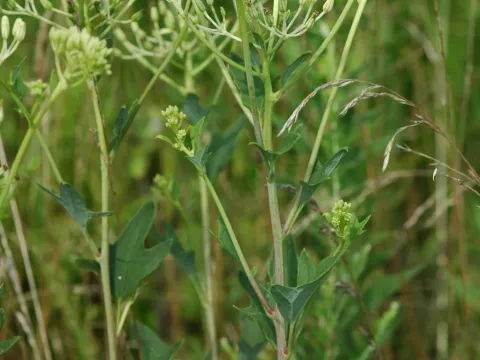
Cacalia
Cacalia
Sowing Cacalia seeds is typically performed in early spring once the soil temperature consistently reaches 10-12 degrees Celsius. Alternatively, autumn sowing is an option to allow for early germination in the following season.
What the section contains


Cacalia
For indoor propagation, seeds should undergo stratification for 4 to 6 weeks to ensure high germination rates. Seedlings are then transplanted to the open field in late spring after the final frost date has passed.
A proper planting distance of 40 to 60 centimeters between plants is essential. This spacing ensures sufficient air movement around the foliage, which is vital for preventing humidity-related diseases.
When sowing directly into the field, place seeds in furrows roughly 2 centimeters deep. Covering the seeds with a light layer of peat or high-quality compost helps maintain moisture levels necessary for sprouting.
Growth is often slow during the initial weeks, making weed management critical. Regular inter-row cultivation helps the young plants establish a robust root system and reduces resource competition.
Cacalia is a member of the Asteraceae family that thrives in sunny locations but adapts well to partial shade. It requires fertile, well-drained soil that is rich in humus with a neutral or slightly acidic pH level.
Consistent moisture is key for healthy development, though waterlogging must be avoided at all costs to prevent root rot. Supplemental irrigation is advised during periods of prolonged drought or heat.
Organic fertilization is highly recommended at the beginning of the growing season. Applying mature compost or well-rotted manure provides the steady supply of nitrogen and minerals needed for lush foliage.
The plant is known for its cold hardiness and generally survives well in temperate climates without extra protection. In colder zones, mulching the base with dry leaves or straw helps insulate the root crown during winter.
Soil structure should be monitored regularly, especially in heavier soils where adding sand or organic amendments can significantly improve aeration and drainage, facilitating healthier overall plant growth.
The primary agricultural objective of growing Cacalia is the harvest of medicinal biomass. Yield is maximized when the plant is harvested at the peak of its vegetative cycle before flowering finishes.
Leaves should be harvested systematically to avoid stressing the plant too severely. By removing only a portion of the foliage at each pass, the plant can regenerate efficiently throughout the summer months.
Drying is a critical post-harvest step, requiring well-ventilated areas away from direct sunlight. Maintaining temperatures below 45 degrees Celsius preserves the bioactive compounds found in the leaves.
In addition to its medicinal use, Cacalia serves as an attractive ornamental crop. It produces reliable blooms that sustain interest throughout the growing season, contributing to the total value of the farm plot.
With proper management, a Cacalia plot can remain productive for up to five years. Periodic thinning and the division of rhizomes every few years will ensure that yields remain high and plants stay vigorous.
Aphids and spider mites are the most common pests encountered in Cacalia fields. These insects feed on the sap, which can stunt plant growth and cause significant cosmetic and physiological damage.
Powdery mildew is a prevalent fungal disease that occurs during periods of high humidity or poor ventilation. It manifests as a white, dusty coating on the leaves, which can spread quickly if untreated.
Root rot is a common issue linked to poor drainage or excessive watering. The primary control method is preventive, focusing on site selection and ensuring that soil moisture remains balanced and not saturated.
Proactive prevention involves removing crop residues at the end of the season to eliminate overwintering sites for pathogens. Keeping the planting site clean significantly reduces the risk of recurrent disease outbreaks.
When pest infestations are severe, systemic insecticides may be necessary. However, if the plant is intended for medicinal use, producers must follow strict guidelines regarding pre-harvest intervals.
Leaf harvesting begins once the plants have developed a full canopy. It is best conducted on dry, sunny days to ensure the harvested material is clean and has a lower moisture content before processing.
If harvesting roots, the task is performed in the autumn after the foliage has begun to yellow. The roots must be thoroughly cleaned of all soil and debris before drying to ensure a high-quality final product.
Seed collection requires careful timing; the flower heads should be harvested just before they shatter to prevent seed loss. Dried heads are processed to extract the seeds, which are then cleaned and stored in dry conditions.
Storage of the processed leaves and roots should take place in breathable, sealed containers away from light. Proper storage conditions ensure that the medicinal properties are retained until the product is sold or used.
As the final step of the harvest cycle, the soil should be lightly cultivated and cleared of all remaining plant parts. Preparing the ground this way helps the soil recover and prevents pest buildup for the coming year.