


Reference · Crops
Calendula
Calendula L.
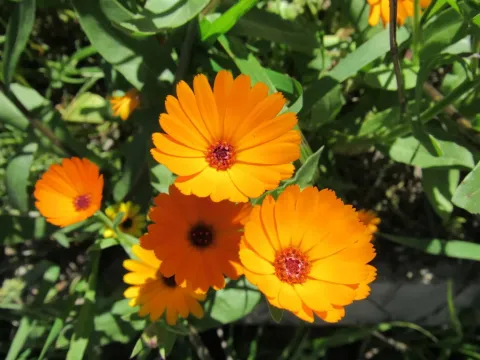
Calendula (Calendula officinalis), a member of the Asteraceae family, is a hardy annual well-suited for various climatic conditions. Seeds should be sown directly into the soil early in the spring, once ground temperatures reach at least 5–7 degrees Celsius.
4
items
What the section contains
Marketplace
Products in this section · 7


Calendula
For earlier production, growers often practice late-autumn sowing. This allows the seeds to undergo natural stratification over winter, ensuring they germinate promptly as soon as the soil warms up after the snow melts.
Planting depth varies based on soil texture: seeds should be covered with 2–3 centimeters of soil in heavy loam and up to 4 centimeters in lighter, sandy soils. Proper depth is crucial for uniform seedling emergence.
A sowing rate of approximately 8–10 kilograms per hectare is standard, utilizing row spacing of 45–60 centimeters. This layout provides adequate space for each plant to develop a robust structure and maximize flower production.
Calendula seeds retain high viability for up to 3–5 years. The period from sowing to the beginning of mass flowering typically spans 60–80 days, depending on local environmental factors and the chosen variety.
Calendula is not demanding regarding soil quality, but it thrives best in fertile, well-drained loamy soils. Incorporating organic matter, such as compost or well-rotted manure, prior to planting significantly boosts yields.
The plant is highly photophilous and requires full sun exposure for optimal growth. Lack of sunlight results in weak, leggy stems and poor flower quality, with less intense pigmentation in the petals.
While moisture needs are moderate, consistent hydration is critical during the active vegetative growth phase and the initial flowering period. Drought stress can lead to premature senescence and reduced crop volume.
An optimal soil pH ranges from 6.0 to 7.5. The crop does not tolerate waterlogged conditions, which often lead to root rot and other fungal diseases, making proper field drainage a top priority for farmers.
Effective agronomic care includes regular inter-row cultivation to manage weeds and maintain soil aeration. Controlling competing weeds during the first weeks of growth is essential to ensure the crop has enough resources.
Average yields for Calendula flowers range between 8 to 15 quintals of dried material per hectare. These figures fluctuate based on agricultural practices, soil fertility, and the frequency of flower harvests.
Consistent harvesting of blooms encourages the plant to produce new flower buds continuously throughout the season. This prolongs the harvest period, allowing producers to maximize their return on investment.
The quality of the raw material is determined by the concentration of secondary metabolites, such as carotenoids and essential oils. Proper harvesting timing is the most important factor in maintaining these compounds.
Advanced agricultural techniques, including precise fertilization and supplemental irrigation, can push yields up to 20 quintals per hectare in optimal conditions. Variety selection also plays a significant role in production.
Calendula is considered a highly efficient crop due to its low seed costs and the potential for mechanical harvesting, although manual collection remains the standard for high-quality medicinal flower markets.
Powdery mildew is the most common fungal threat, characterized by a white, floury coating on the foliage. Farmers manage this by ensuring good air circulation and using appropriate fungicides if infestations arise.
Root rot and leaf spot diseases are frequently caused by poor soil drainage and high humidity. Practicing proper crop rotation—keeping a 3- to 4-year interval—is a fundamental strategy to prevent soil-borne pathogens.
Aphids are the primary pests that attack tender new shoots and buds. For medicinal crops, biological controls such as predatory insects or natural soap-based sprays are preferred to maintain the integrity of the product.
Nematodes can affect the root system, particularly in fields where calendula is planted consecutively. Rotating the crop with non-susceptible species is the most reliable way to maintain soil health and vigor.
Regular field scouting is essential for pest management. Early detection of pest hotspots allows for localized interventions, which prevents widespread damage and ensures the harvested material meets strict quality standards.
Harvesting is typically carried out when the ray florets are positioned horizontally, but before the central disk florets have fully opened. This stage provides the highest quality medicinal raw material.
Flowers are plucked by hand or cut with short stems (max 2 cm). Frequent picking is necessary to ensure the plant continues to channel energy into bud formation rather than seed development.
Immediately after collection, the flowers must be dried to prevent degradation. Drying should occur in shaded, well-ventilated areas or specialized dryers at temperatures not exceeding 45 degrees Celsius to protect delicate oils.
Properly dried material should retain its vibrant color and a mild, pleasant aroma. The flower receptacle should be brittle and break easily, signaling that the moisture content is low enough for safe storage.
Final storage requires cool, dry conditions in breathable packaging. This prevents moisture buildup and spoilage, ensuring that the harvested calendula maintains its therapeutic efficacy for at least two years.