
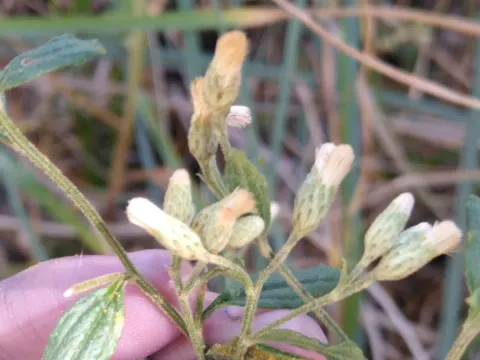
Baccharis sordescens
Baccharis sordescens
Baccharis sordescens is a perennial shrub belonging to the Asteraceae family. Originating from South American regions, this plant has adapted to harsh environmental conditions, demonstrating high resilience in diverse soil types ranging from sandy loams to rocky landscapes.
What the section contains
Baccharis sordescens
The botanical structure consists of dense, woody stems covered with characteristic lanceolate leaves. The plant's deep taproot system allows it to reach water reserves in deeper soil layers, making it a valuable candidate for regions prone to periodic water scarcity.
To ensure optimal development, the crop requires well-drained soil and high exposure to solar radiation. It performs poorly in heavy clay soils that are prone to waterlogging, which often leads to root hypoxia and subsequent decline in plant vitality.
Climatic requirements involve moderate to high temperatures during the growing season, typically between 20°C and 30°C. While the plant can tolerate short periods of thermal stress, prolonged freezing temperatures can damage its aerial parts, necessitating protective measures in cooler climates.
Economically, Baccharis sordescens is valued for soil stabilization and environmental remediation projects. Its ability to grow in poor soils makes it an excellent choice for reclamation of degraded lands where traditional agricultural crops cannot thrive.
Fungal pathogens remain the most significant threat to Baccharis sordescens, particularly in nurseries where plant density is high. Root rot (Phytophthora spp.) is the primary concern, triggered by excessive soil moisture and poor drainage systems.
Pests such as spider mites and aphids often target young, succulent foliage during hot and dry spells. Integrated pest management strategies, emphasizing the use of biological control agents and localized treatments, are recommended to protect the integrity of the plant biomass.
Leaf spot diseases can occur during humid seasons, necessitating preventive fungicide applications and effective air circulation practices. Properly spacing the plants during the initial planting phase helps mitigate these risks significantly.
Invasive weed encroachment during the seedling stage poses a threat to young plants, as they may be outcompeted for nutrients and light. Manual weeding or the use of light mulching materials is essential during the first months of cultivation to establish a strong root system.
Long-term health of the shrub plantation depends on strict adherence to sanitation protocols. Removing infected plant debris and avoiding over-fertilization with nitrogen helps maintain the balance of the plant's metabolic processes, reducing susceptibility to common agricultural pests.