
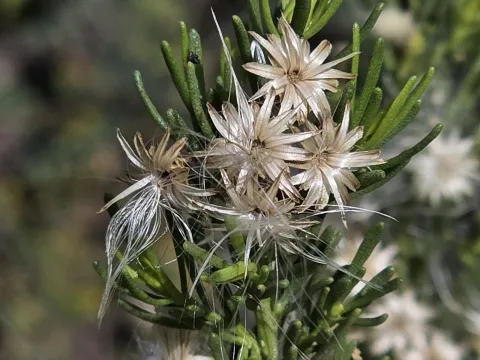
Baccharis rosmarinifolia
Baccharis rosmarinifolia
Baccharis rosmarinifolia is an evergreen shrub belonging to the Asteraceae family. Originating from South America, this species has adapted to diverse climatic zones, showcasing its remarkable biological plasticity and endurance.
What the section contains
Baccharis rosmarinifolia
This plant thrives in well-drained soils, showing a high preference for substrates with low nutrient content. It is exceptionally well-suited for regions where soil quality is moderate, as it can efficiently utilize available resources.
Regarding light requirements, this species is highly heliophilic. To achieve optimal density and promote vigorous shoot development, it requires full sun exposure throughout the growing season.
The climate requirements include warm conditions with a balanced rainfall pattern. While the plant possesses significant drought tolerance, consistent watering during the initial establishment phase is crucial for long-term health.
Agricultural management involves routine pruning and soil maintenance. Pruning helps to maintain the desired structure and promotes healthy growth cycles, which is essential for maximizing the lifespan of the plantation.
The primary pests affecting Baccharis rosmarinifolia include aphids and spider mites, which typically thrive during periods of low humidity and high temperature. These insects focus on tender shoots, slowing down plant development.
Root rot is the most serious threat, usually caused by stagnant water in the root zone. Proper soil drainage is the most effective management strategy to mitigate the risk of these fungal infections.
Fungal leaf spots can occur when air circulation is compromised. Planting the shrubs at recommended intervals is a necessary practice to allow sufficient airflow and prevent moisture accumulation on the foliage.
Integrated pest management (IPM) is recommended to keep the plants healthy. This approach balances monitoring with the use of environmentally friendly protective measures whenever possible.
For large-scale cultivation, maintaining the health of the entire field depends on early detection of symptoms. Consistent inspection protocols ensure that any potential outbreaks are managed before they cause economic damage.