
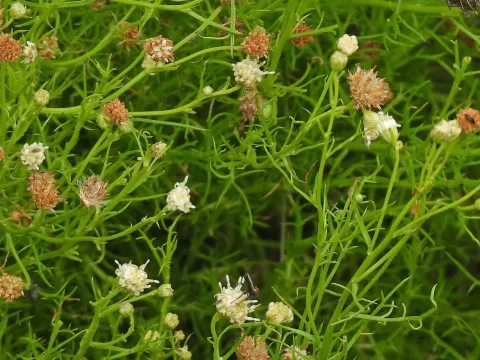
Baccharis ulicina
Baccharis ulicina
Baccharis ulicina is a perennial shrub belonging to the Asteraceae family. Native to the southern regions of South America, specifically Argentina, this plant has adapted to survive in harsh climatic conditions.
What the section contains
Baccharis ulicina
The plant is categorized as a xerophyte, meaning it is biologically programmed to thrive in environments with limited water availability. Its leaves are structurally adapted to minimize evapotranspiration.
Soil requirements for Baccharis ulicina center on excellent drainage. It performs exceptionally well in sandy or rocky substrates where nutrient levels may be suboptimal for traditional crops.
Cultivation success depends on providing full sunlight exposure throughout the growing season. The plant does not tolerate waterlogging, which can lead to rapid deterioration of its root system.
In terms of agricultural utility, this species is mainly recognized for its potential in land rehabilitation and as a source of browse for livestock in semi-arid zones.
Pathogenic fungi affecting the root system represent the primary threat to Baccharis ulicina. These diseases are usually triggered by excessive irrigation or poor soil drainage.
Various regional insect pests can cause damage to foliage, which, while rarely fatal to the shrub, can significantly stunt development during critical growth stages.
Competition from aggressive invasive weeds can pose a threat, particularly to newly established stands, by depriving them of light and essential soil moisture.
Environmental stress, such as unseasonable frost or extreme humidity, can weaken the plant's resilience, making it more susceptible to opportunistic pathogens.
Sustainable management involves regular scouting for damage signs and maintaining proper spacing to ensure adequate aeration across the planting field.