
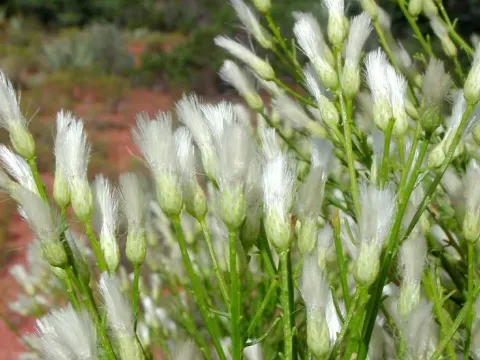
Baccharis rhexioides
Baccharis rhexiodes
Baccharis rhexioides is a perennial herbaceous plant or subshrub belonging to the Asteraceae family. This species is known for its distinct botanical structure, with foliage that bears a resemblance to plants of the Rhexia genus, which distinguishes it within the Baccharis group.
What the section contains
Baccharis rhexioides
Originating from South and Central America, this plant is adapted to subtropical and temperate climates. It thrives in well-lit environments and is typically found in regions with seasonal rainfall patterns, making it well-suited for open cultivation areas that receive abundant sunlight.
The crop requires fertile, well-draining soil with a neutral to slightly acidic pH level. Soil compaction should be avoided, as the root system of Baccharis rhexioides requires efficient gas exchange to maintain vigorous vegetative growth throughout the season.
In terms of climate, the plant prefers moderate temperature ranges. While it exhibits a degree of drought tolerance once established, consistent moisture levels during the peak growing phase are essential for achieving optimal biomass production and healthy floral development.
Agronomic management includes scheduled pruning to maintain the plant's structural integrity and promote bushier growth. Fertilizer application, focusing on balanced NPK ratios during the spring, helps facilitate the rapid development of stems and foliage needed for high-quality production.
The primary threats to Baccharis rhexioides are fungal diseases, particularly those promoted by excessive soil moisture and poor airflow. Powdery mildew and various types of root rot are common pathogens that can significantly compromise plant health.
Insect pests, such as aphids and spider mites, represent a consistent pressure on this crop. These pests extract sap from the leaves, which causes leaf yellowing and structural deformation if the infestation is not managed through effective monitoring and control strategies.
Integrated pest management (IPM) practices are highly recommended, including the use of targeted systemic insecticides when necessary. Preventing high-density planting helps to mitigate the risk of pest outbreaks by allowing better air circulation around the plants.
Rust diseases are also a concern in regions with high humidity. Routine applications of preventative fungicides, coupled with the removal of infected plant debris, are critical steps in maintaining the overall health and safety of the crop throughout the year.
Soil management plays a crucial role in disease resistance. By ensuring that the root neck of the plant remains dry and that the soil structure is not waterlogged, growers can effectively reduce the occurrence of soil-borne pathogens that threaten the long-term viability of the plants.